Creating a multi-brand catalog and invoicing product with AI-assisted setup
The catalog had to support two brands and three platforms, serving businesses with existing products and those starting from scratch. We created a shared product foundation connecting sales and invoicing, with AI-assisted tax setup.
At a glance
Stone needed a scalable invoicing product for growing small businesses. Research reshaped the strategy. Catalog and invoicing came first for Simples Nacional, while catalog came first for MEIs, followed by invoicing as fiscal requirements evolved. I helped connect the catalog, POS, app, and desktop into one product foundation, including automatic and manual issuance, AI-assisted tax setup, and launch experiments with Marketing.
- GMV within three months
- R$5M+
- Adoption across both brands
- 54%
- Initial retention rate
- 30%
A valid opportunity at different moments
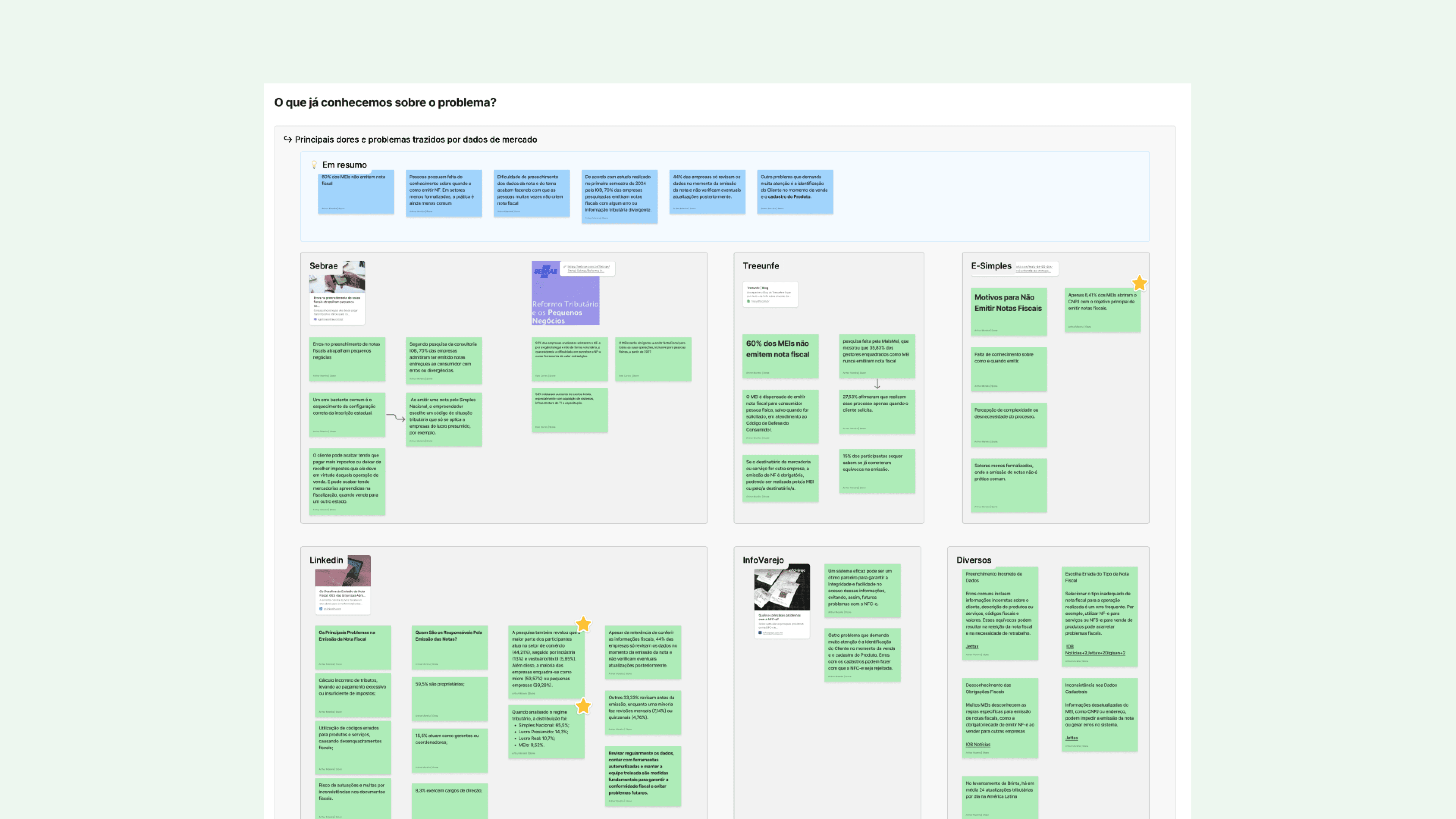
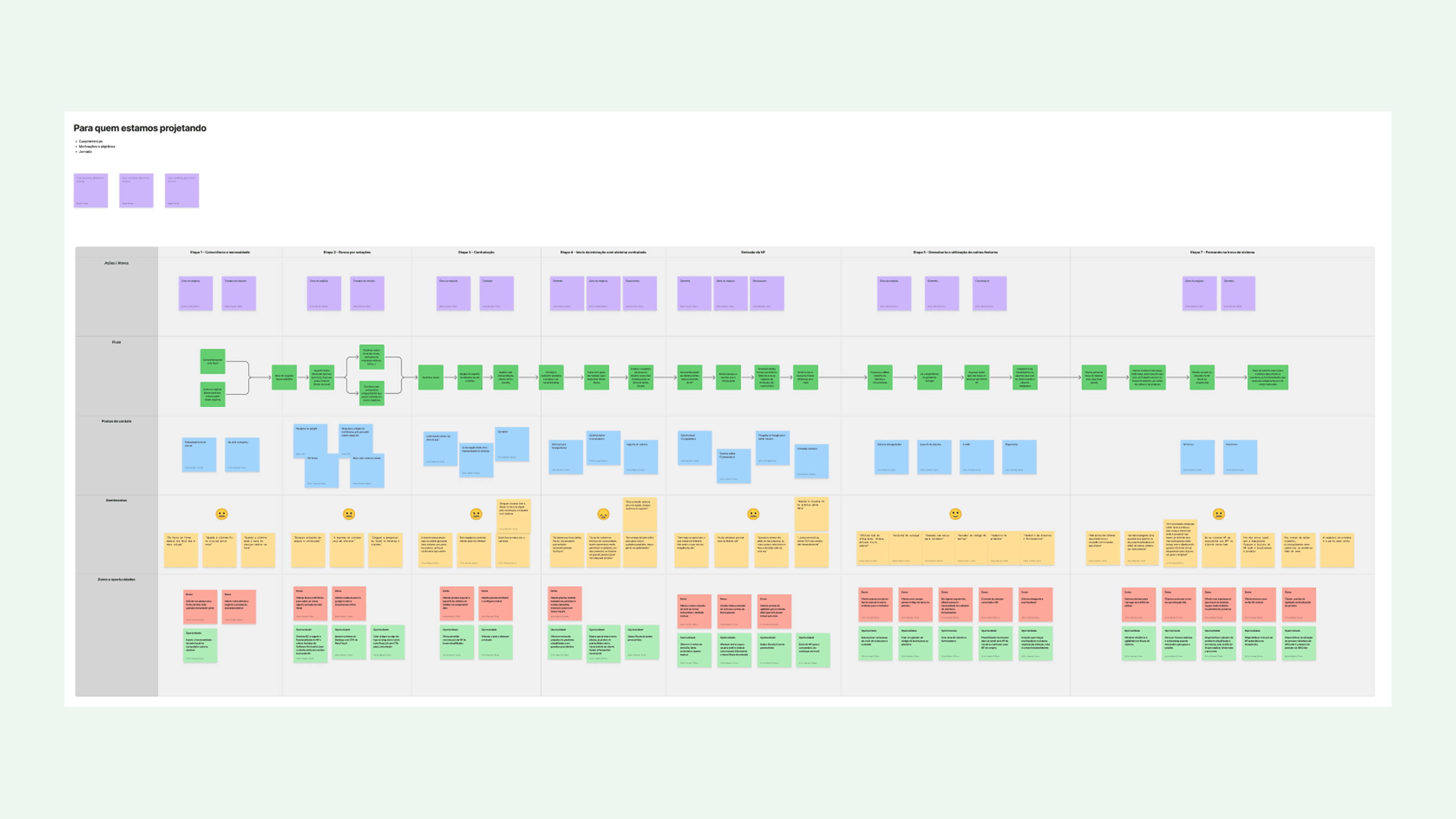
Stone initially saw an opportunity to create an invoicing solution for MEIs. Through interviews, support tickets, data analysis, and market research, I worked with the team to test that assumption. We found that the need was real, but its urgency varied across customer segments.
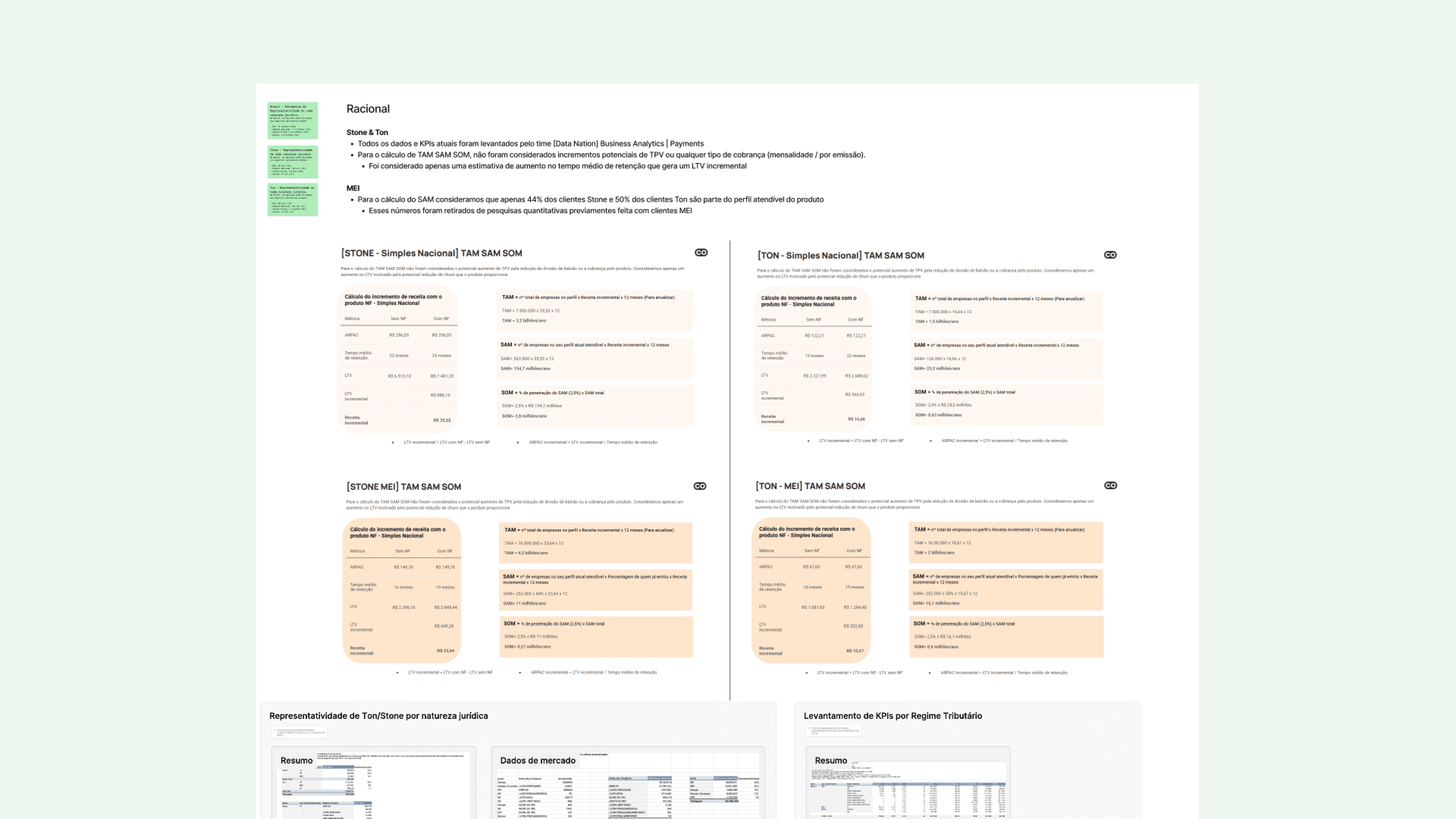
Growing Simples Nacional businesses were already facing greater fiscal and operational complexity, making catalog and invoicing immediate needs. MEIs benefited from organizing their products through the catalog first, while invoicing represented a longer-term opportunity as new fiscal requirements approached in 2027.
Discovery shaped the product
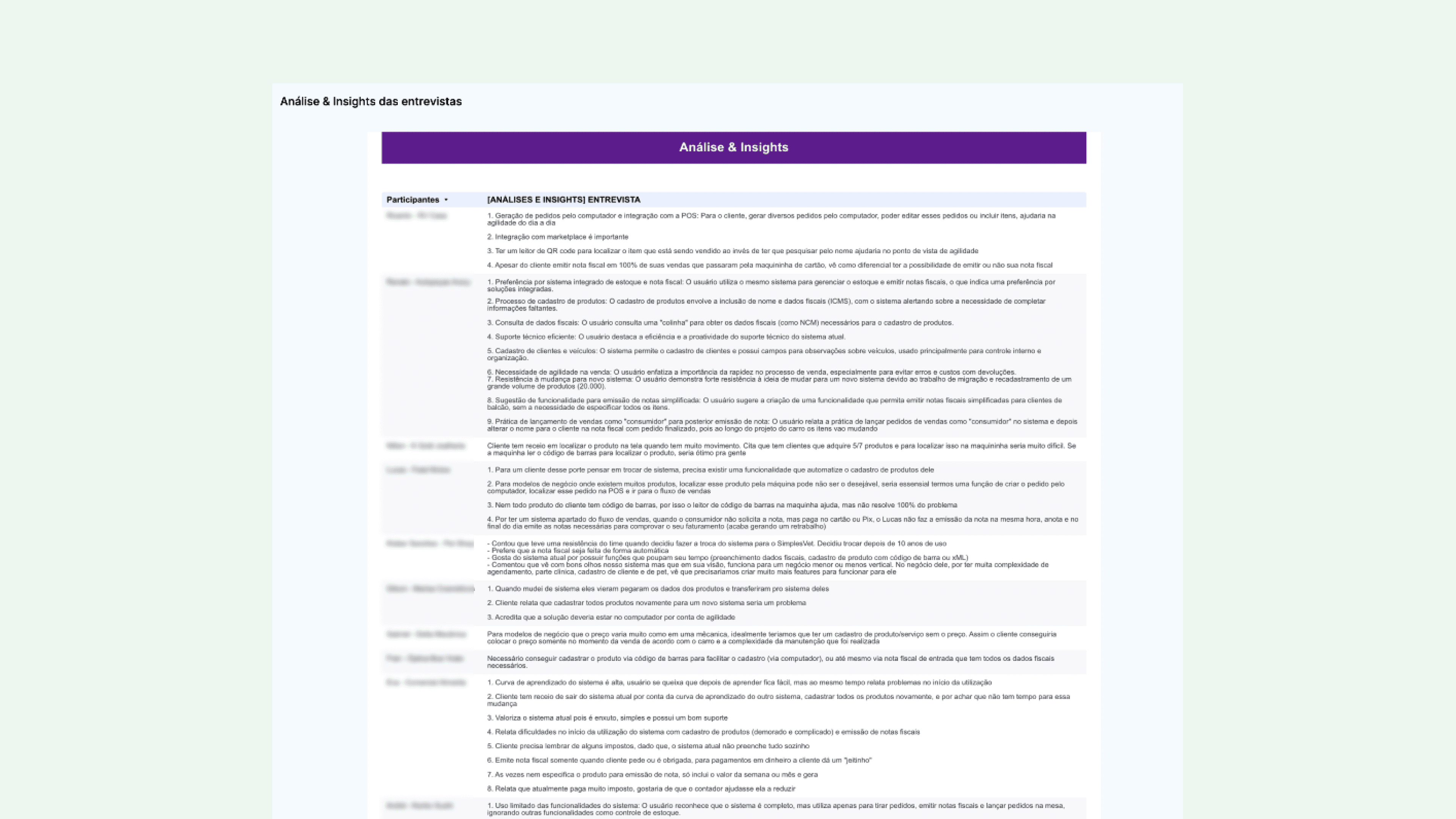
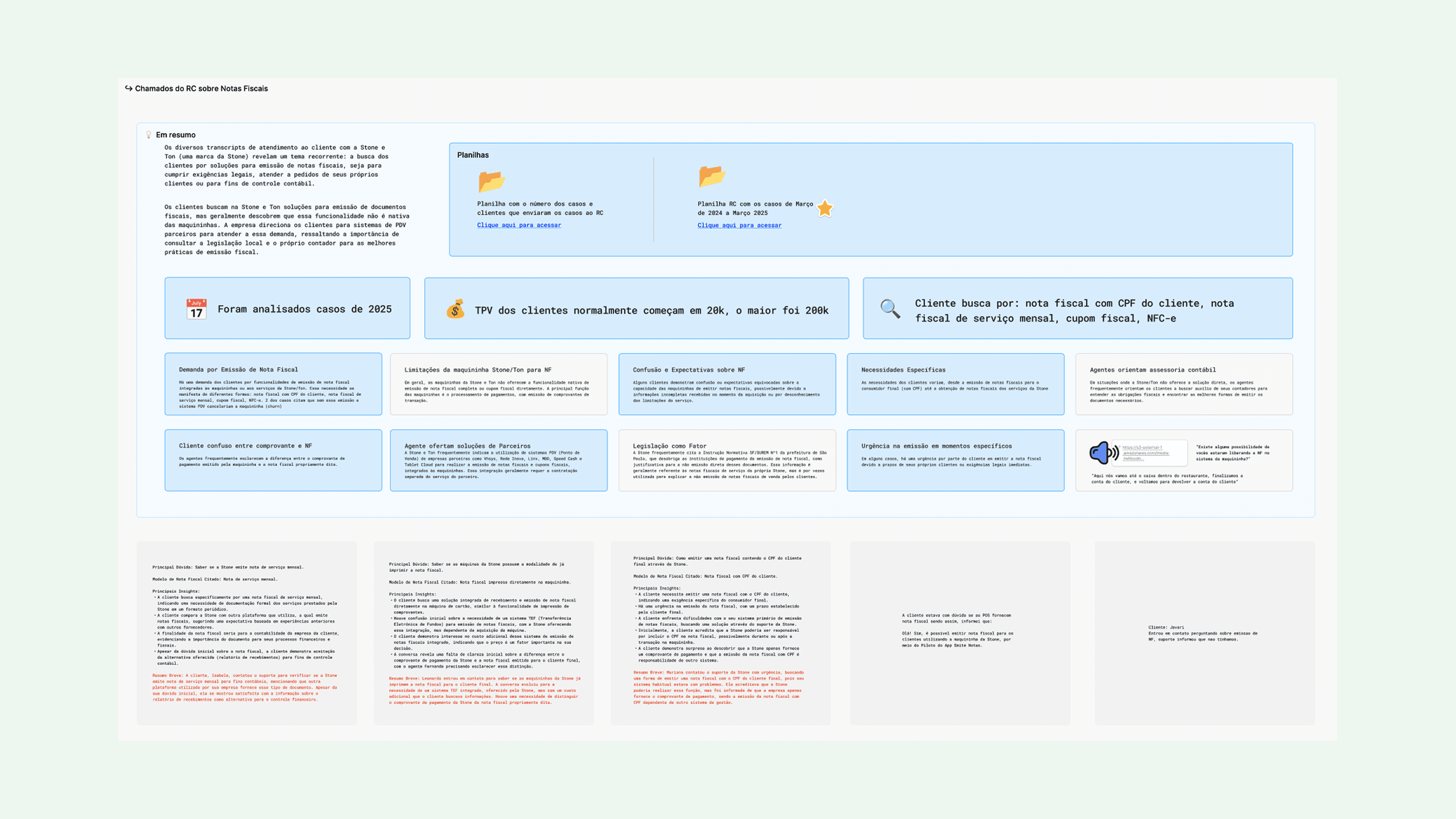
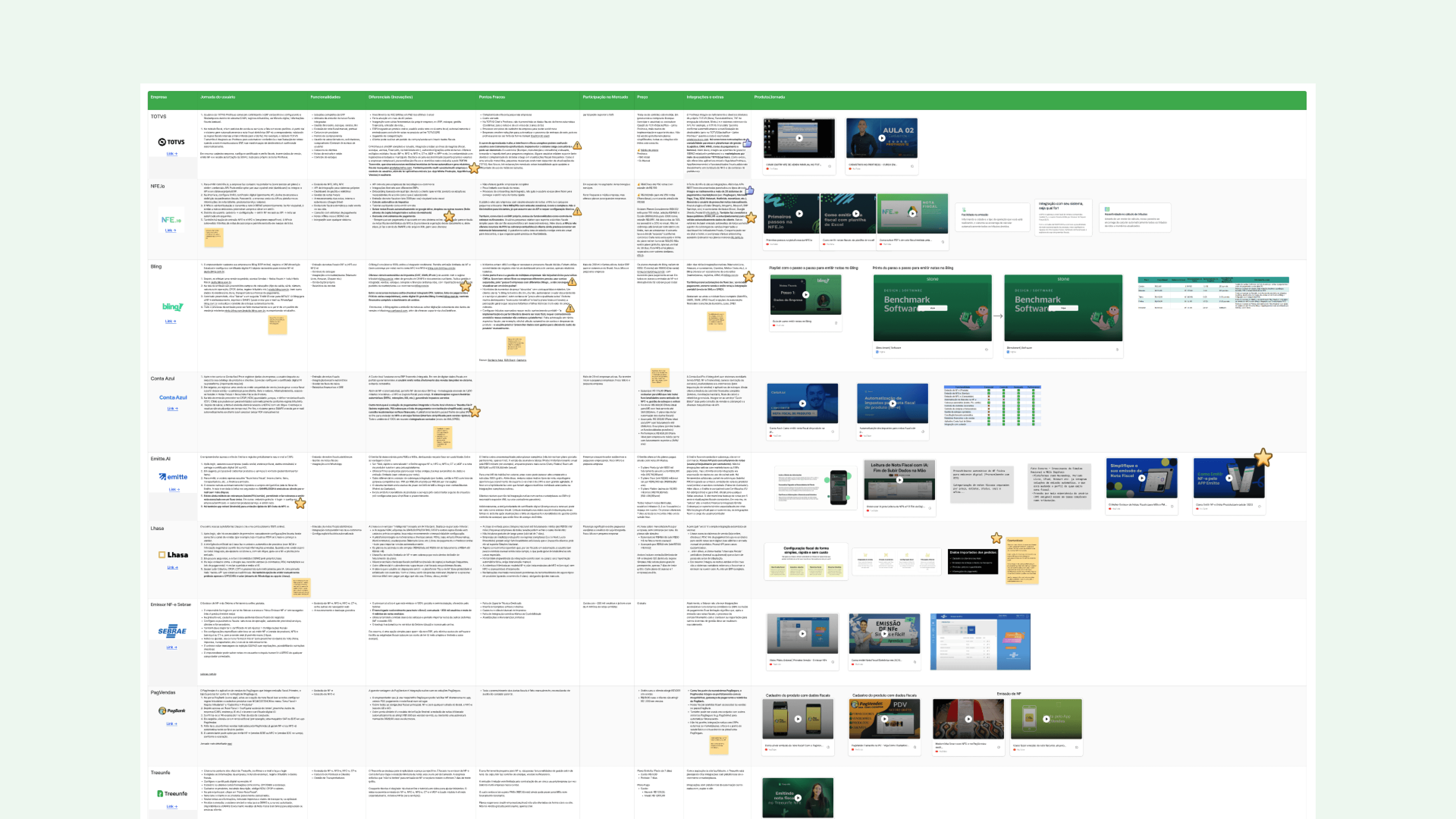
During discovery, I conducted field research with the Sales teamand combined it with interviews, data analysis, market research, and benchmarking to understand the business context, product use, and customers' most important pain points. I also analyzed support tickets and shadowed support calls to hear users describe the problems they encountered with our project firsthand. I shared the findings with C-level executives and business leaders, then refined the strategy with them.This gave the team a clearer, shared understanding of our customers' real needs and the direction the product should take.
Field notes and insights
In the field, we studied how customers managed catalogs and invoicing to uncover problems and opportunities and identify relevant companies to benchmark. The notes below capture what we heard most often and the insights that later shaped the product, its key decisions, and the rationale behind them.
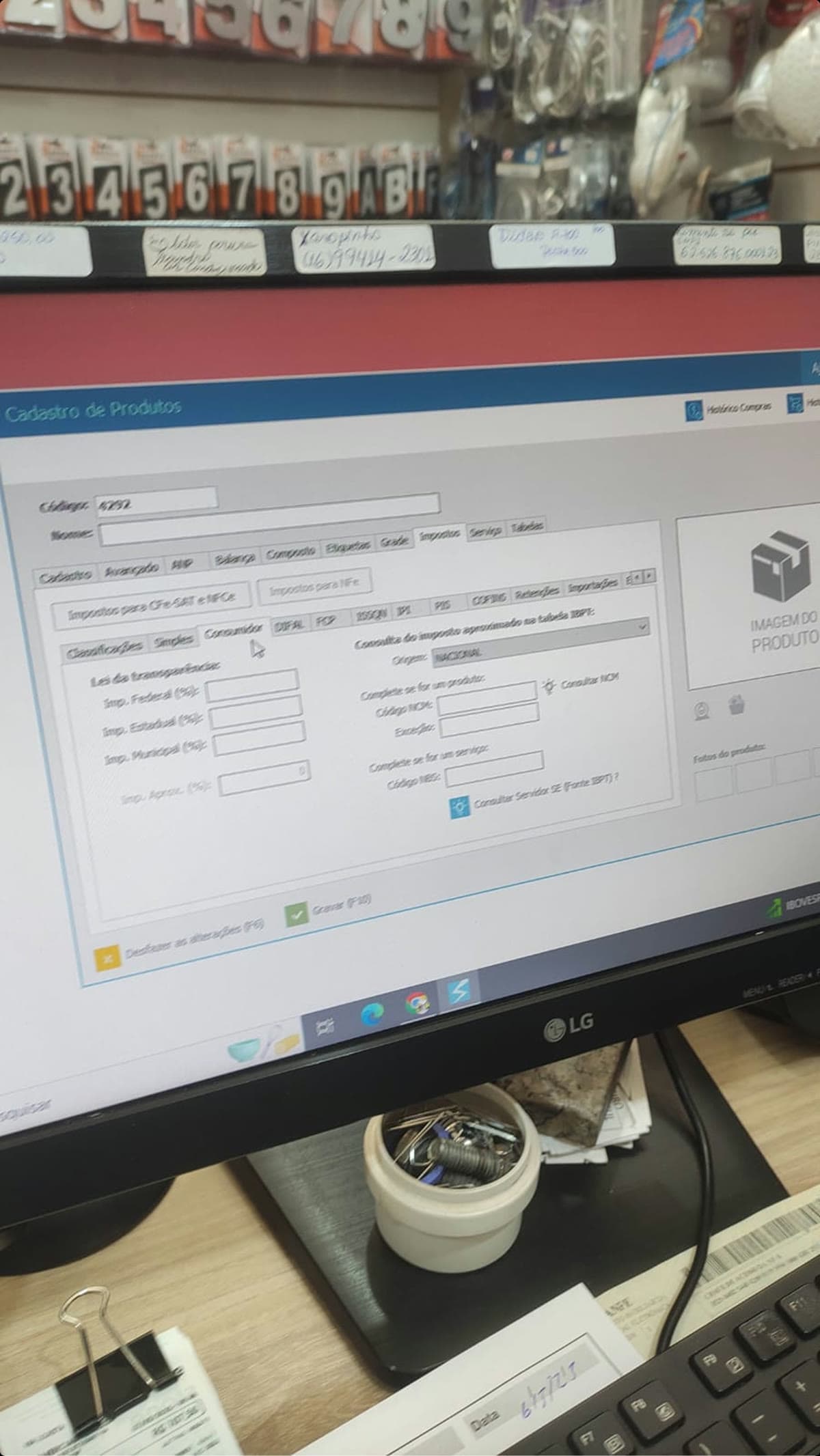
If the tax information for each product were filled in automatically, it would make things easier.
I can’t tell whether my system is slow or the connection to Brazil’s tax authority is slow.
It isn’t user-friendly. Employees who use it every day find it difficult. It could be more intuitive.
Employees may know how to issue an invoice and manage the catalog, but they avoid it because the risk of making a mistake is high.
The catalog became the foundation
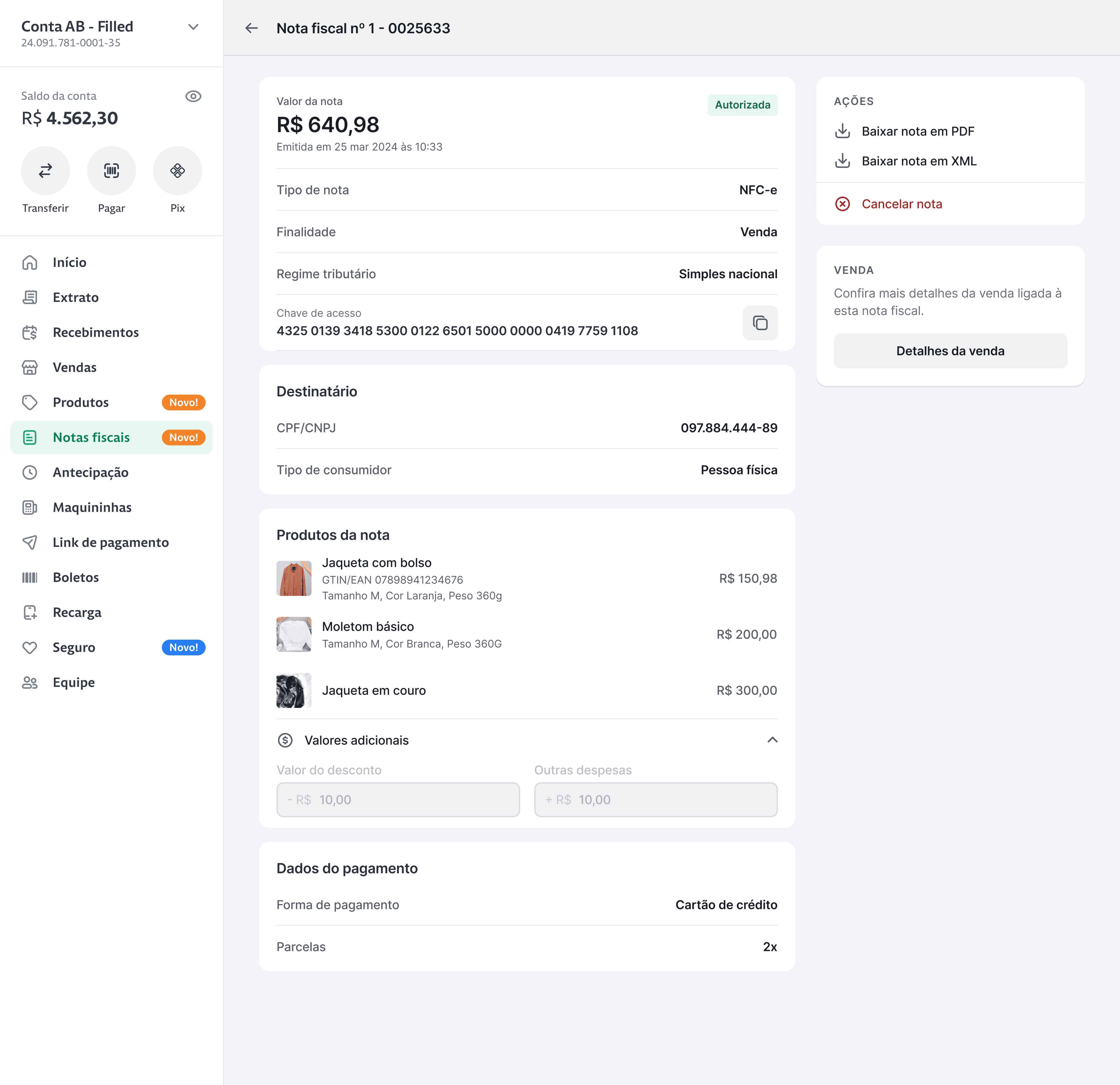
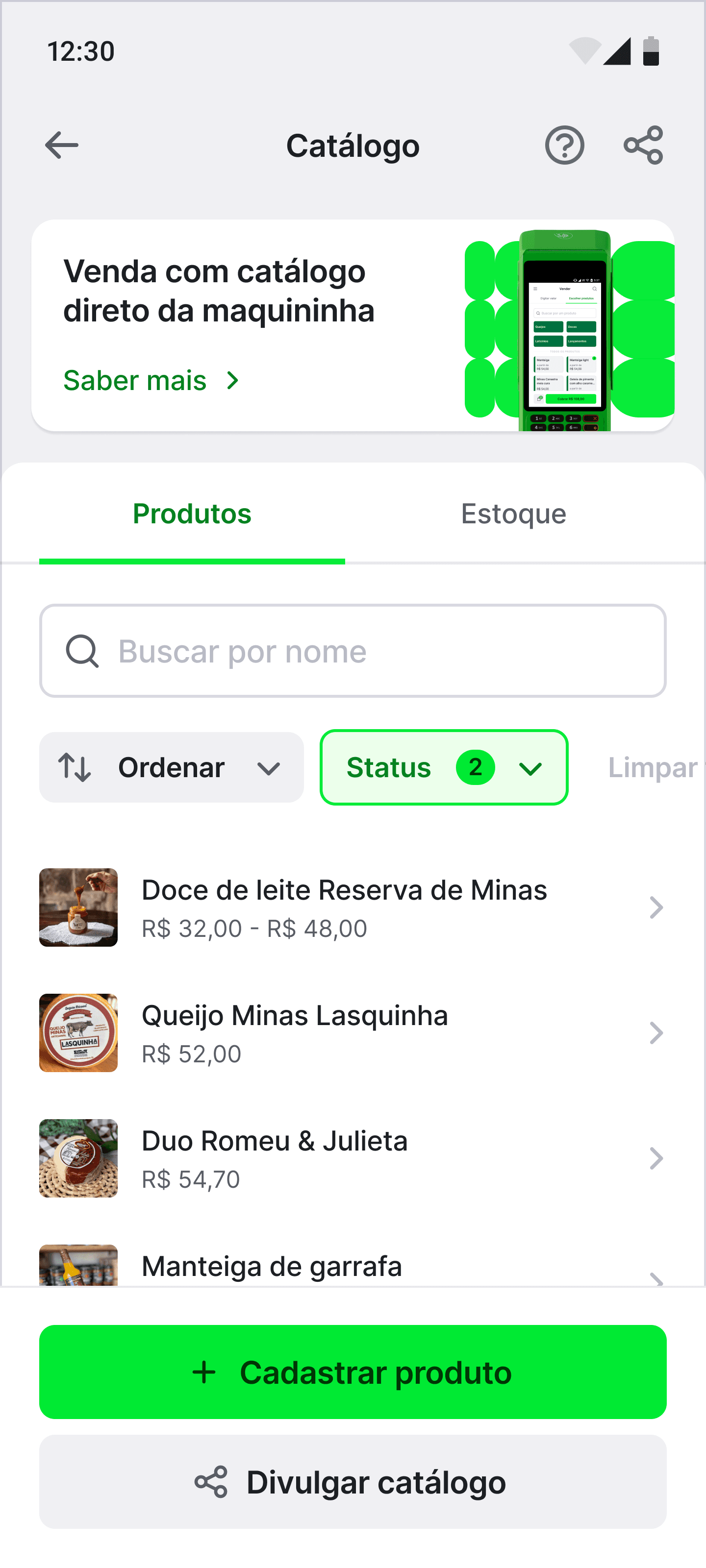
Once we understood the opportunity, we found that invoicing could not work as a standalone product. Every invoice depended on accurate product, pricing, and tax information already managed through the catalog. We evolved it into a shared foundation across Stone and Ton so product information created once could support sales, invoicing, business management, and future commerce experiences.
That foundation had to support distinct requirements. Stone served larger businesses with complex operations that needed robust, scalable solutions. Ton served mostly solo operators who needed fast, straightforward workflows and seamless device connections. The foundation had to adapt to both without forcing either audience into the other's experience.
One ecosystem across different contexts
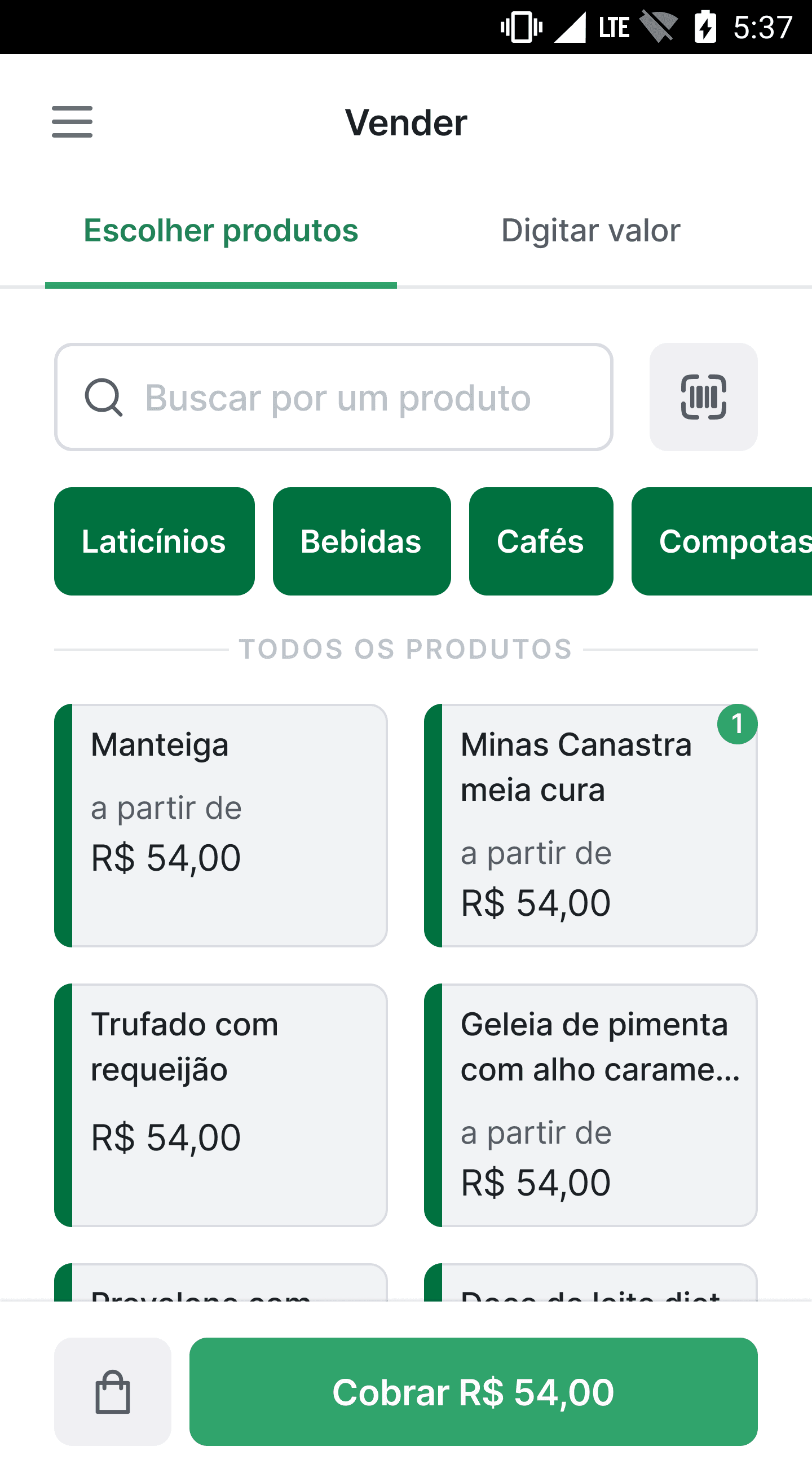
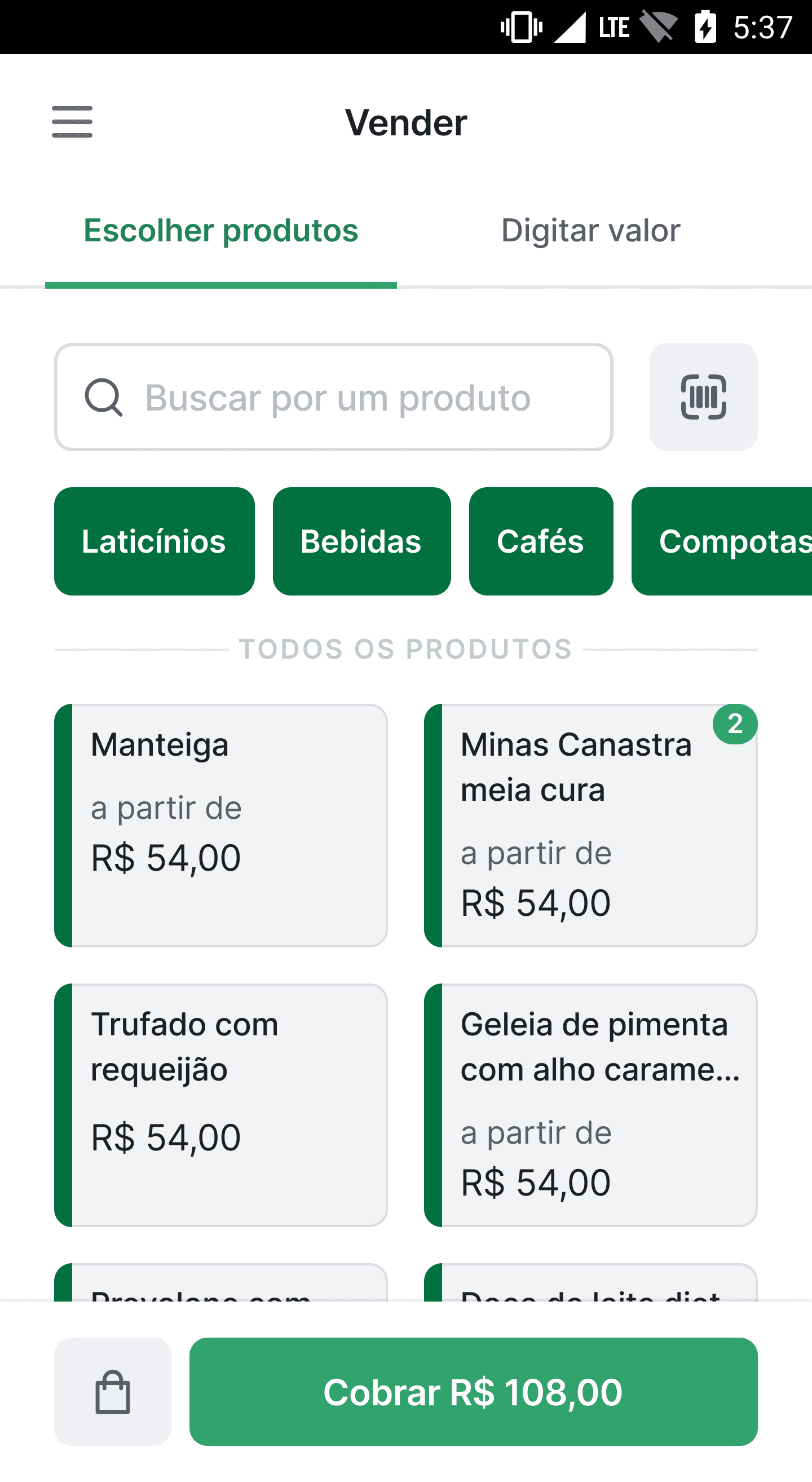
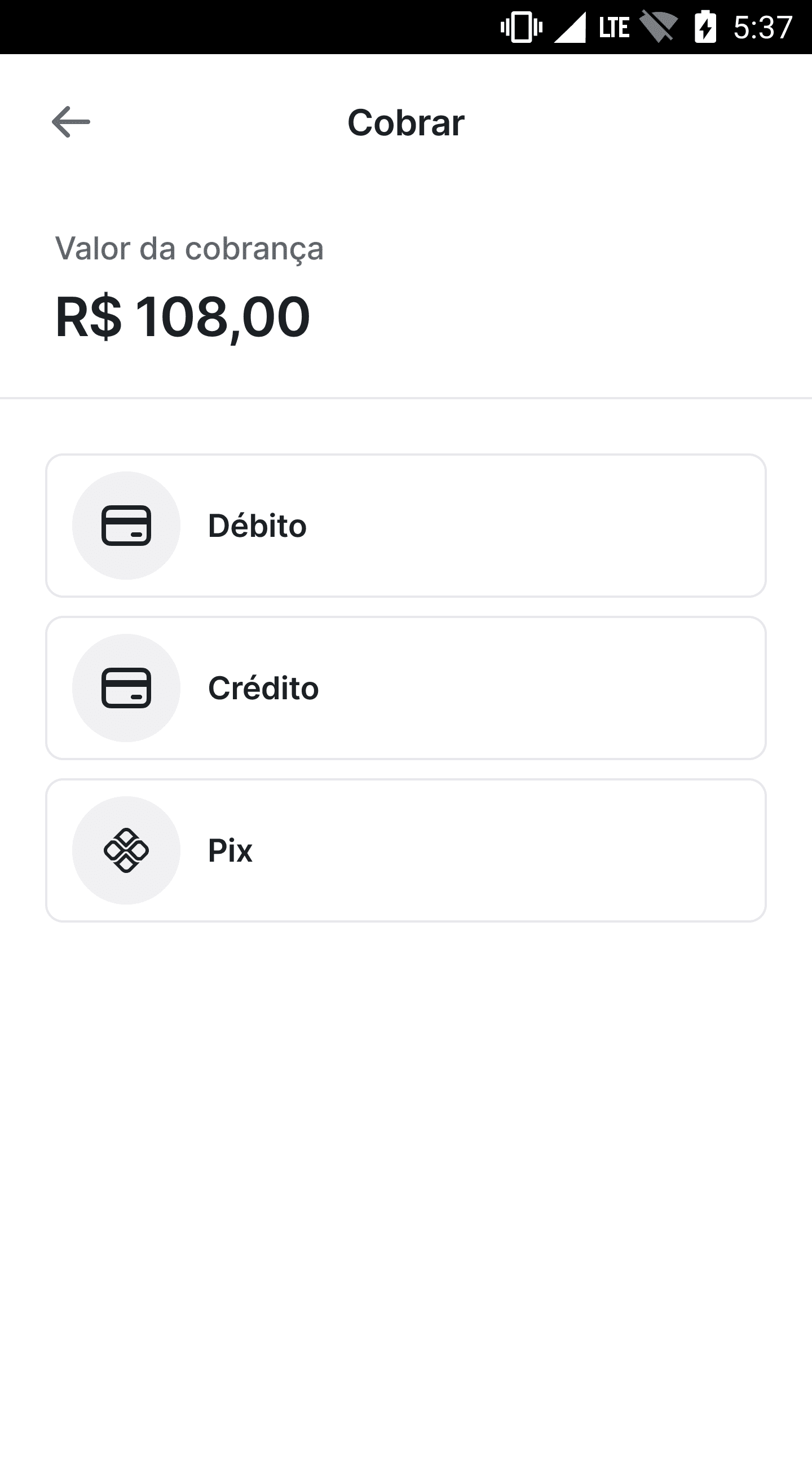
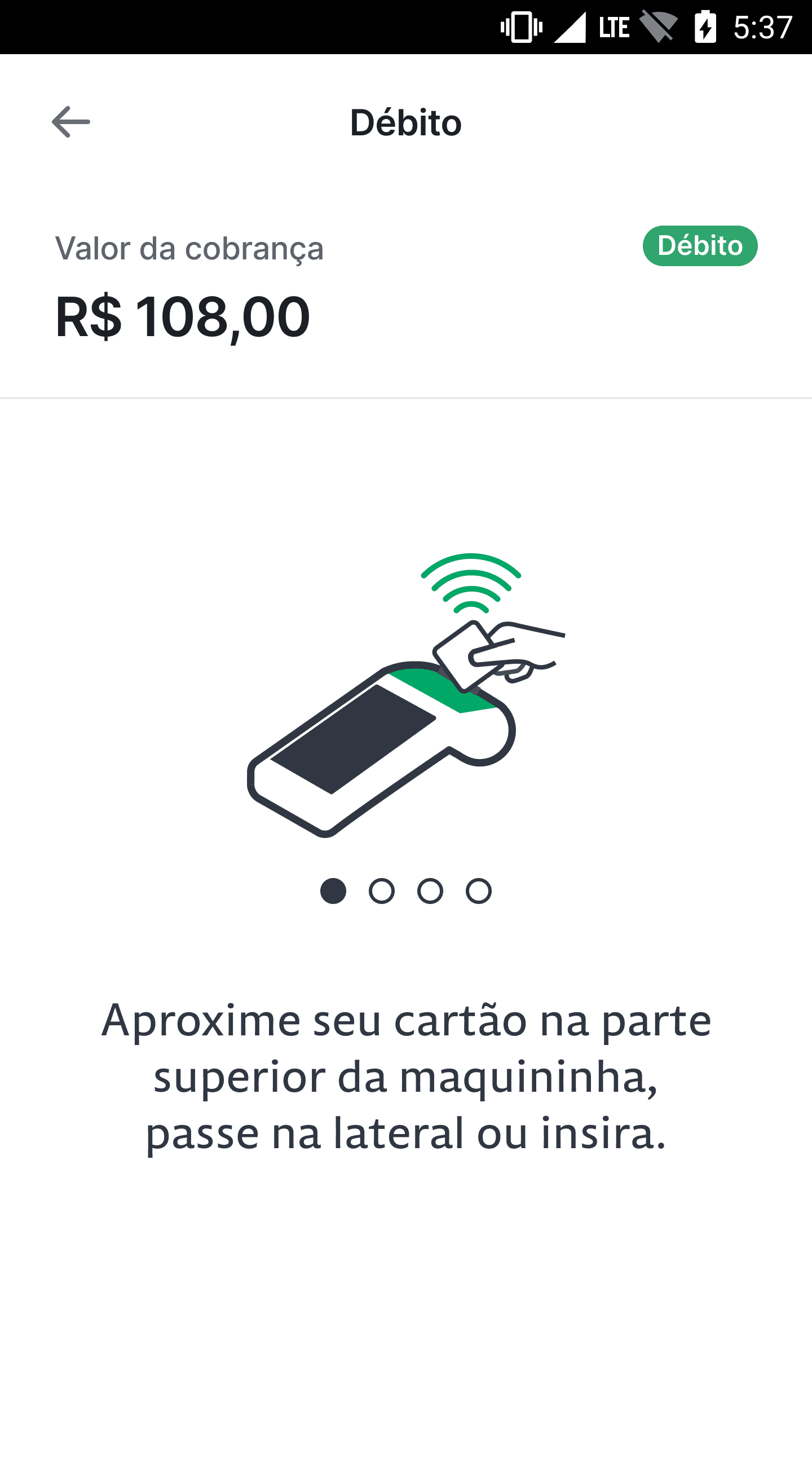
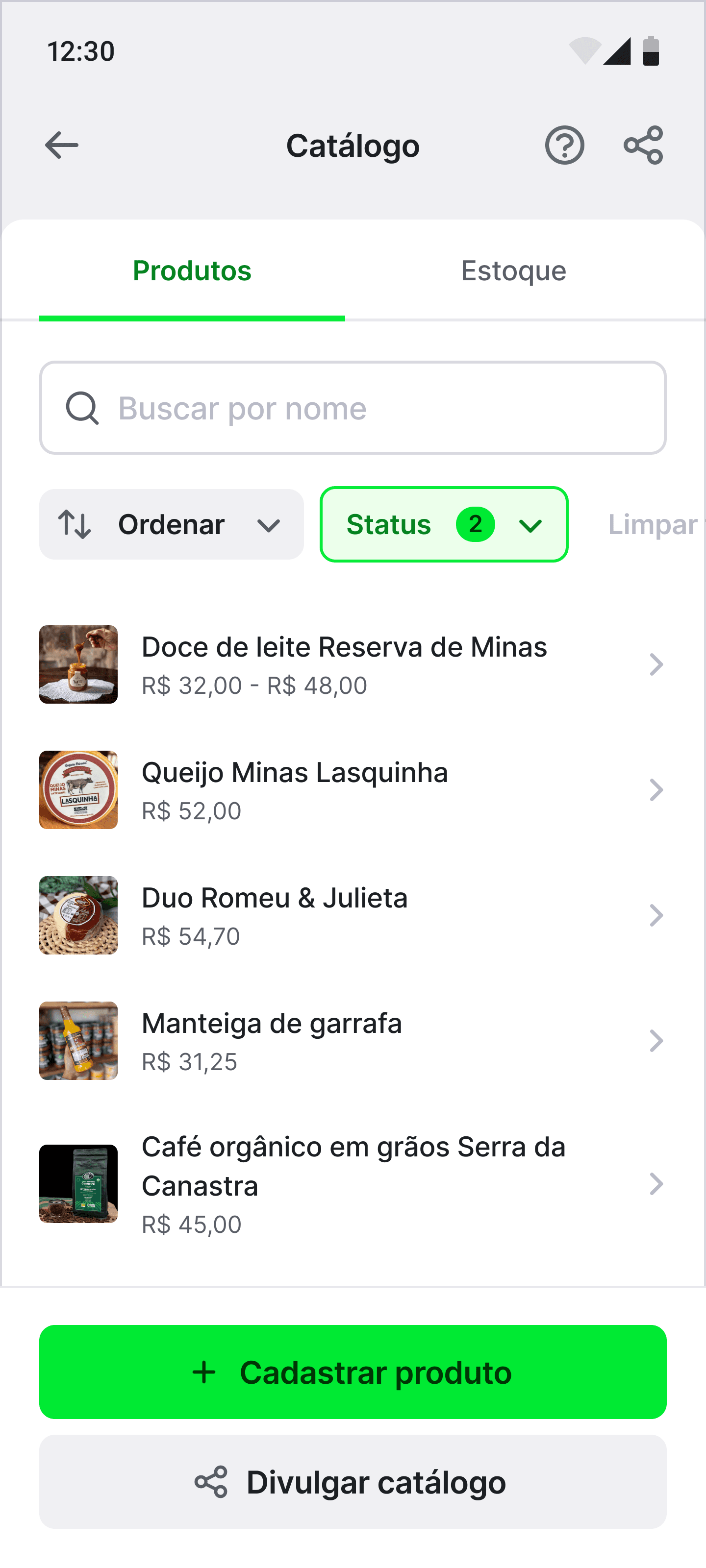
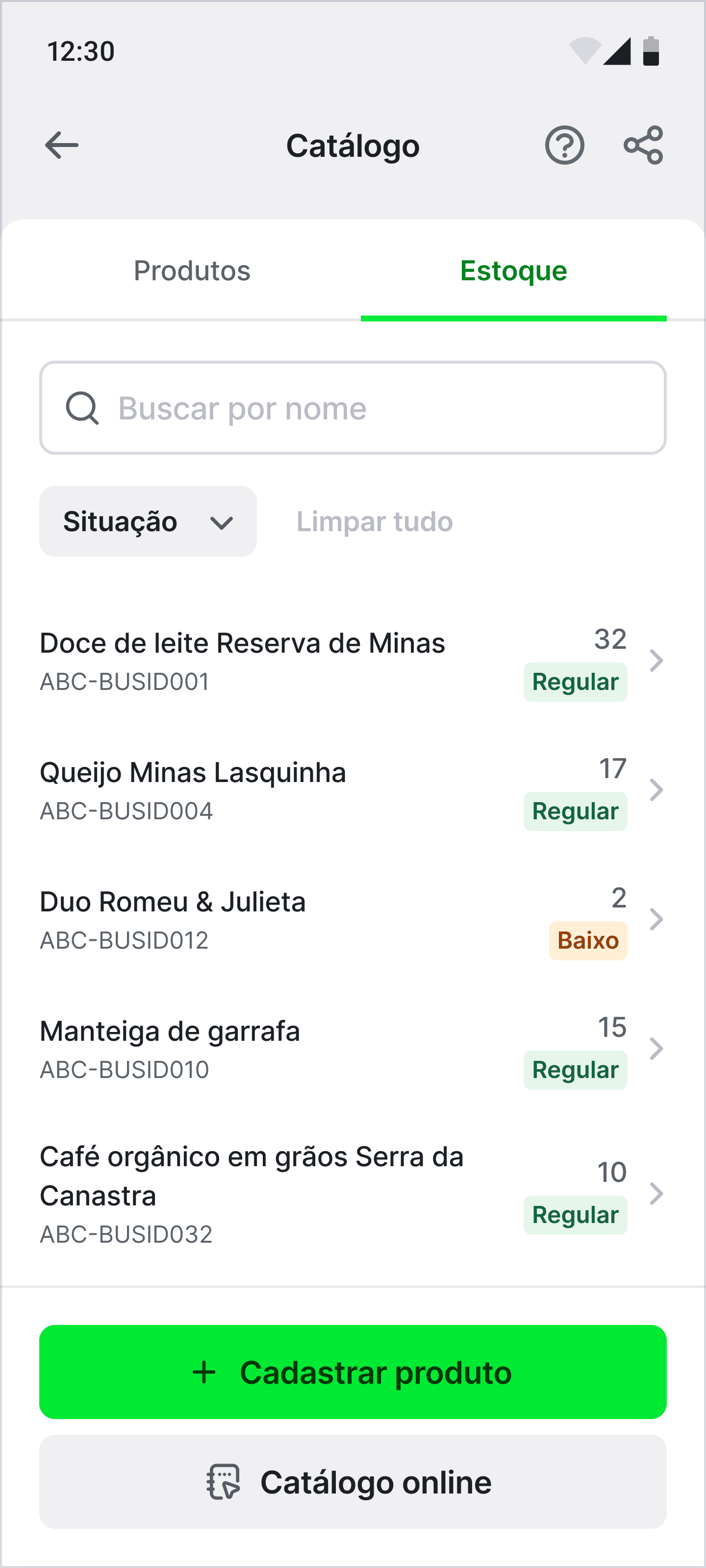
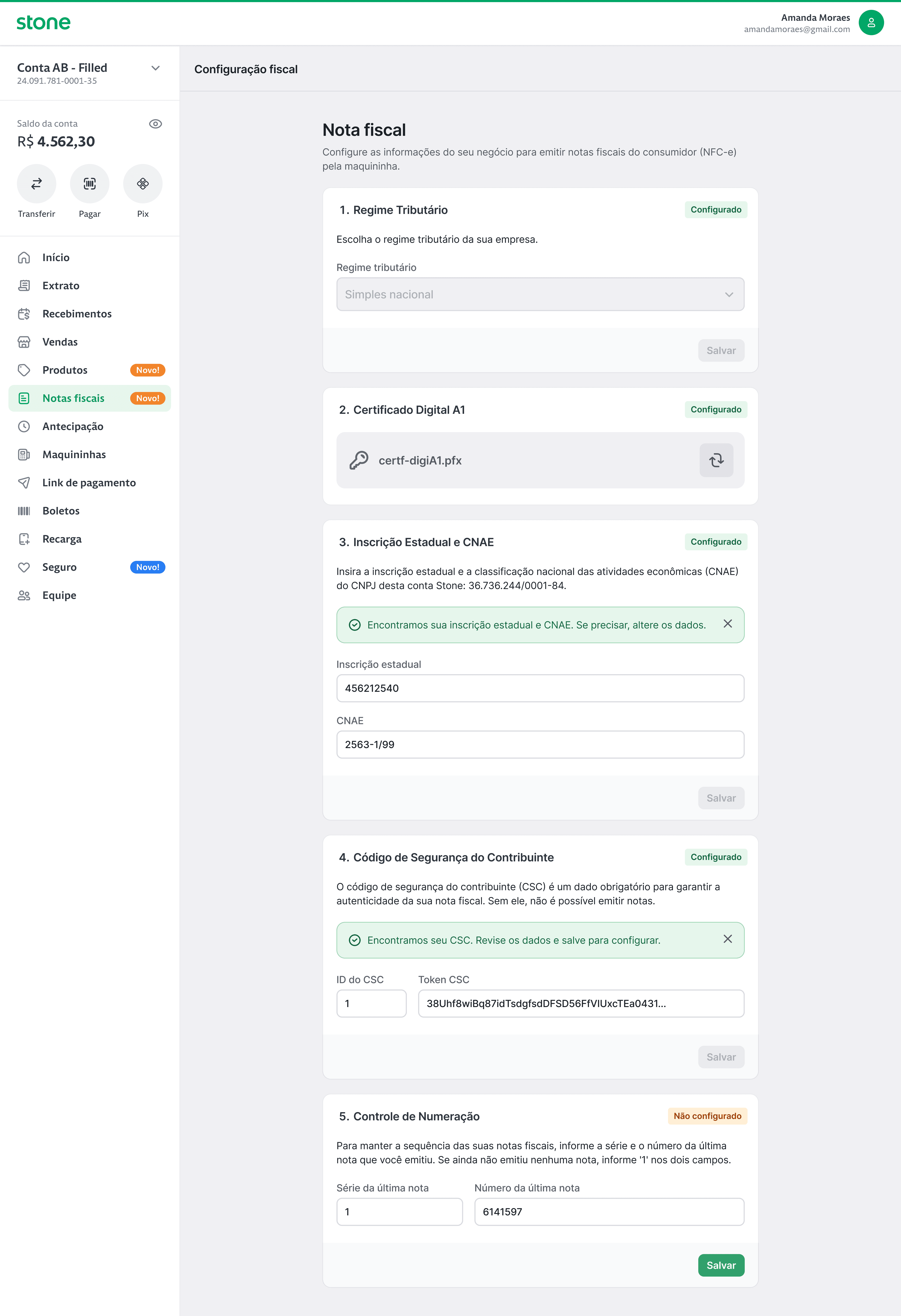
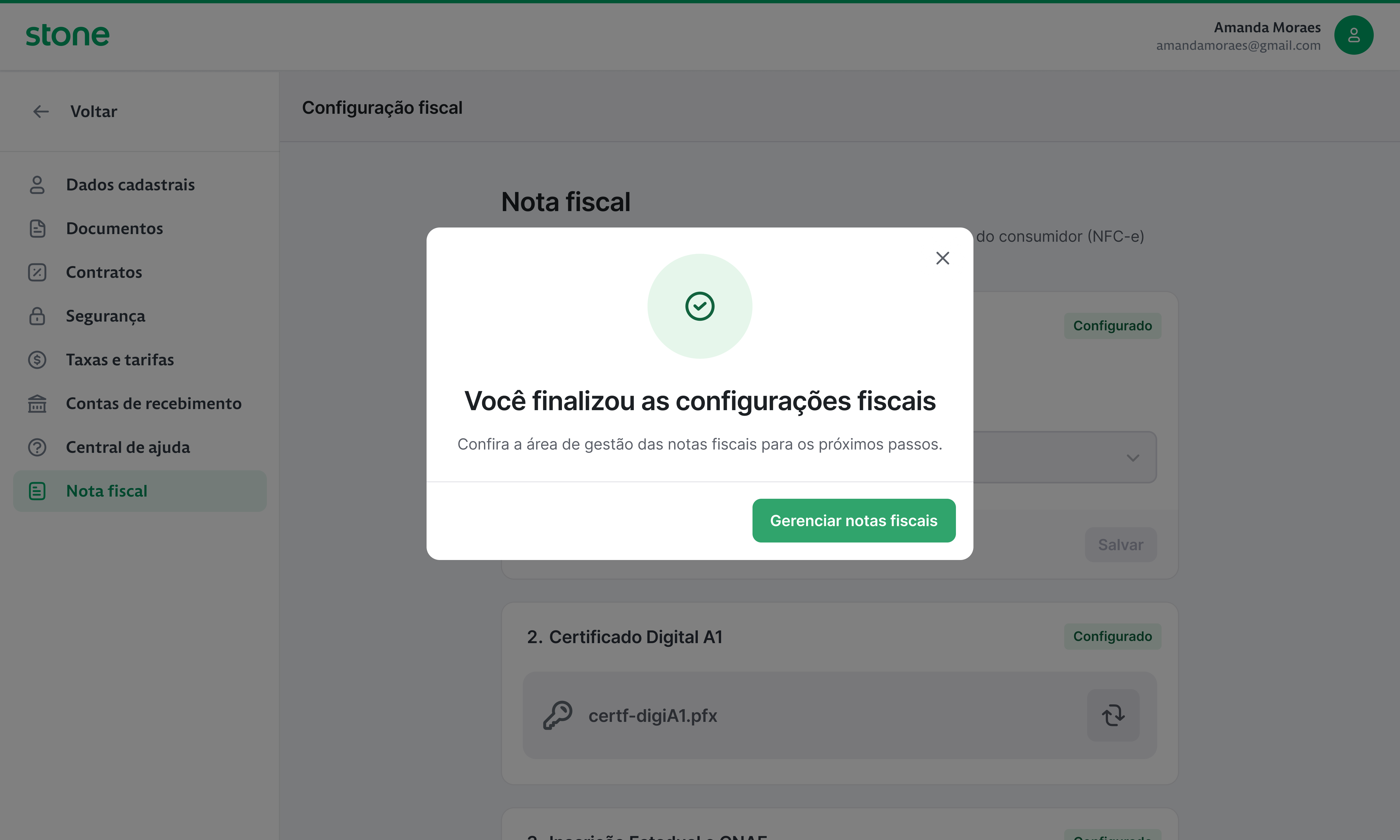
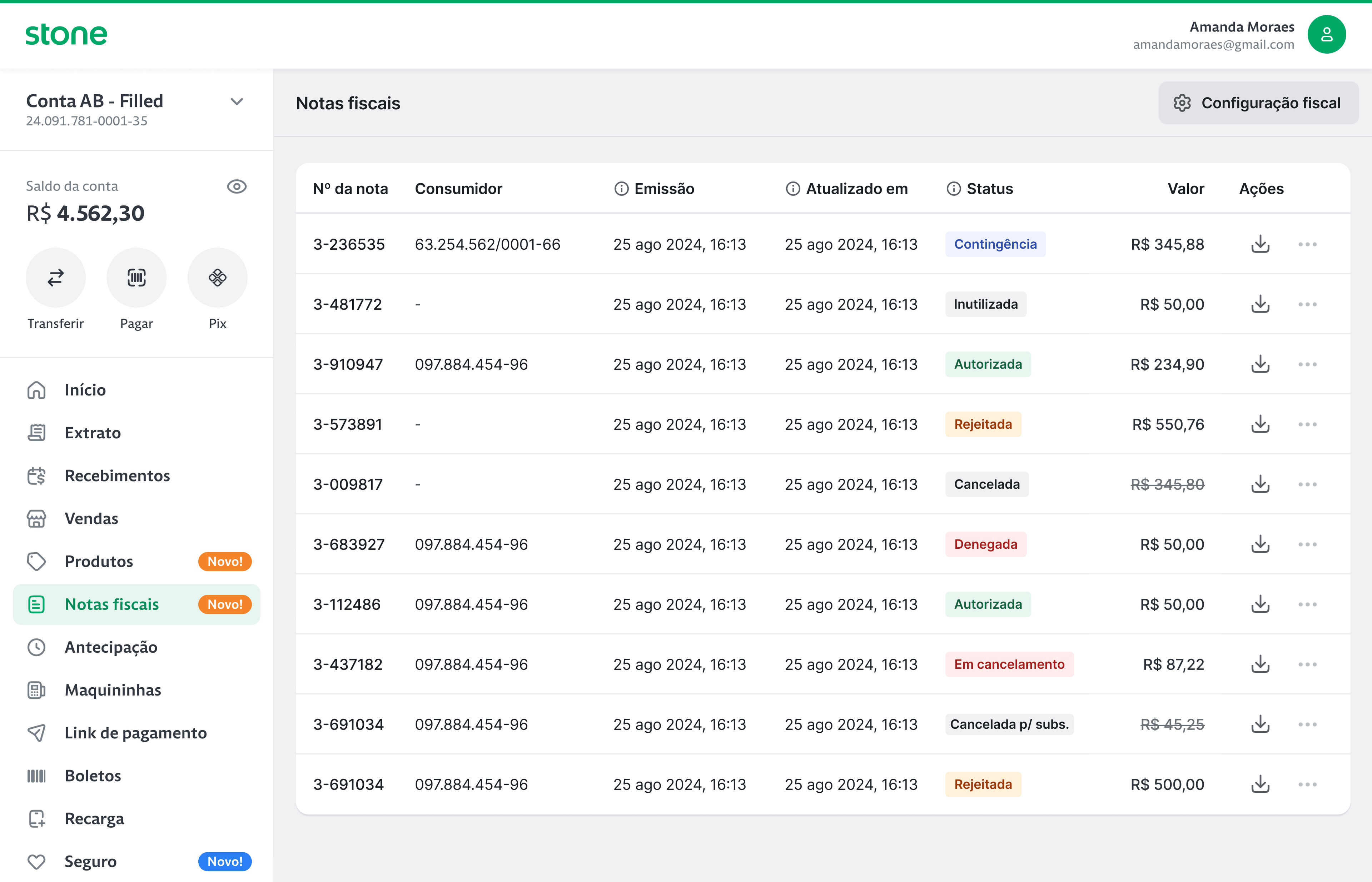
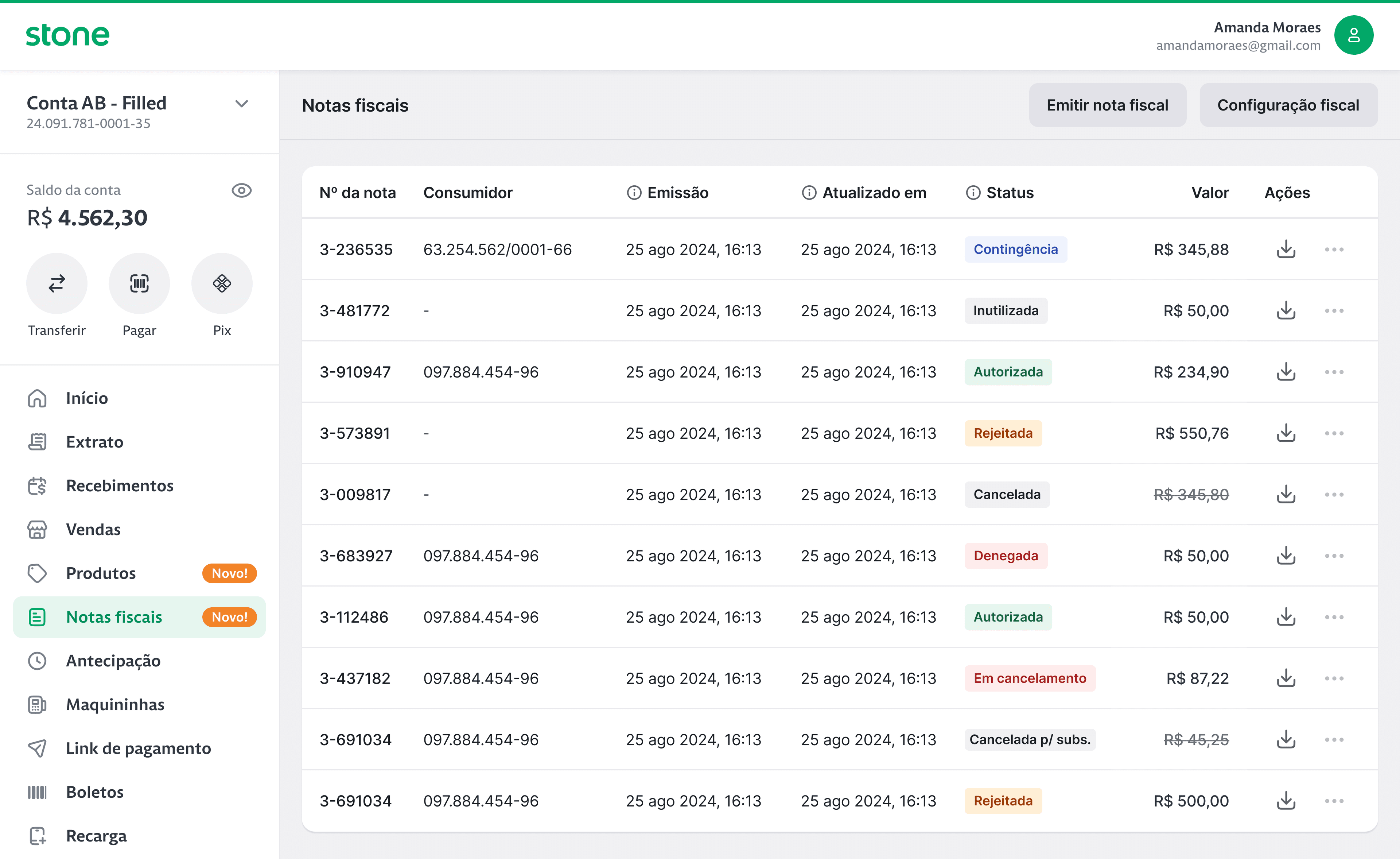
Supporting invoicing required more than adding a new module. Parts of the POS, app, and desktop experiences had to be reconsidered so they could share the same product foundation while serving different responsibilities.
Each device surfaced different information and controls based on its context and intended use. POS supported fast actions during everyday sales. The app kept core business tasks accessible away from the counter. Desktop served owners and managers who needed greater control and a centralized place to manage catalogs, invoices, tax information, and administrative work.





Automation had to preserve control
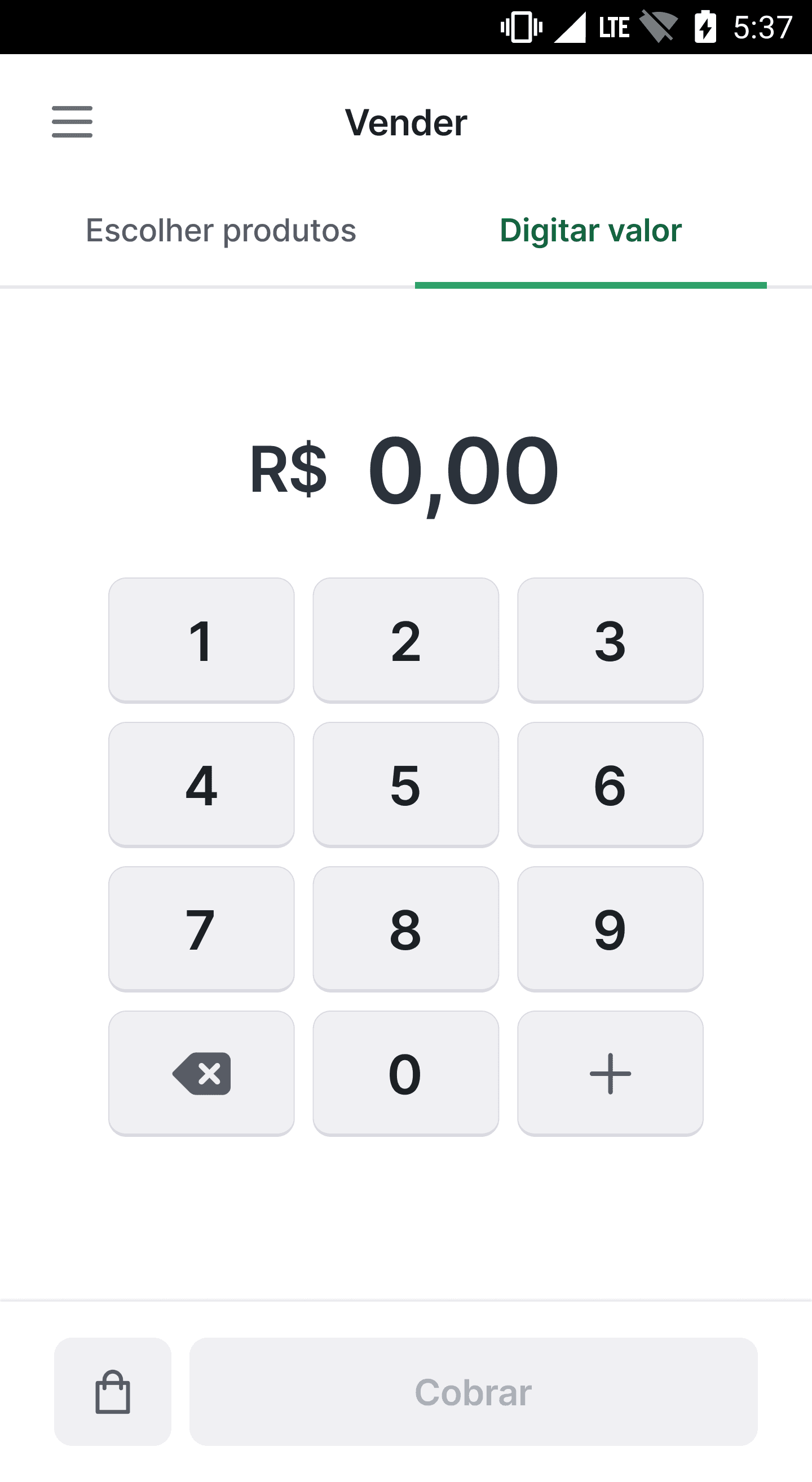
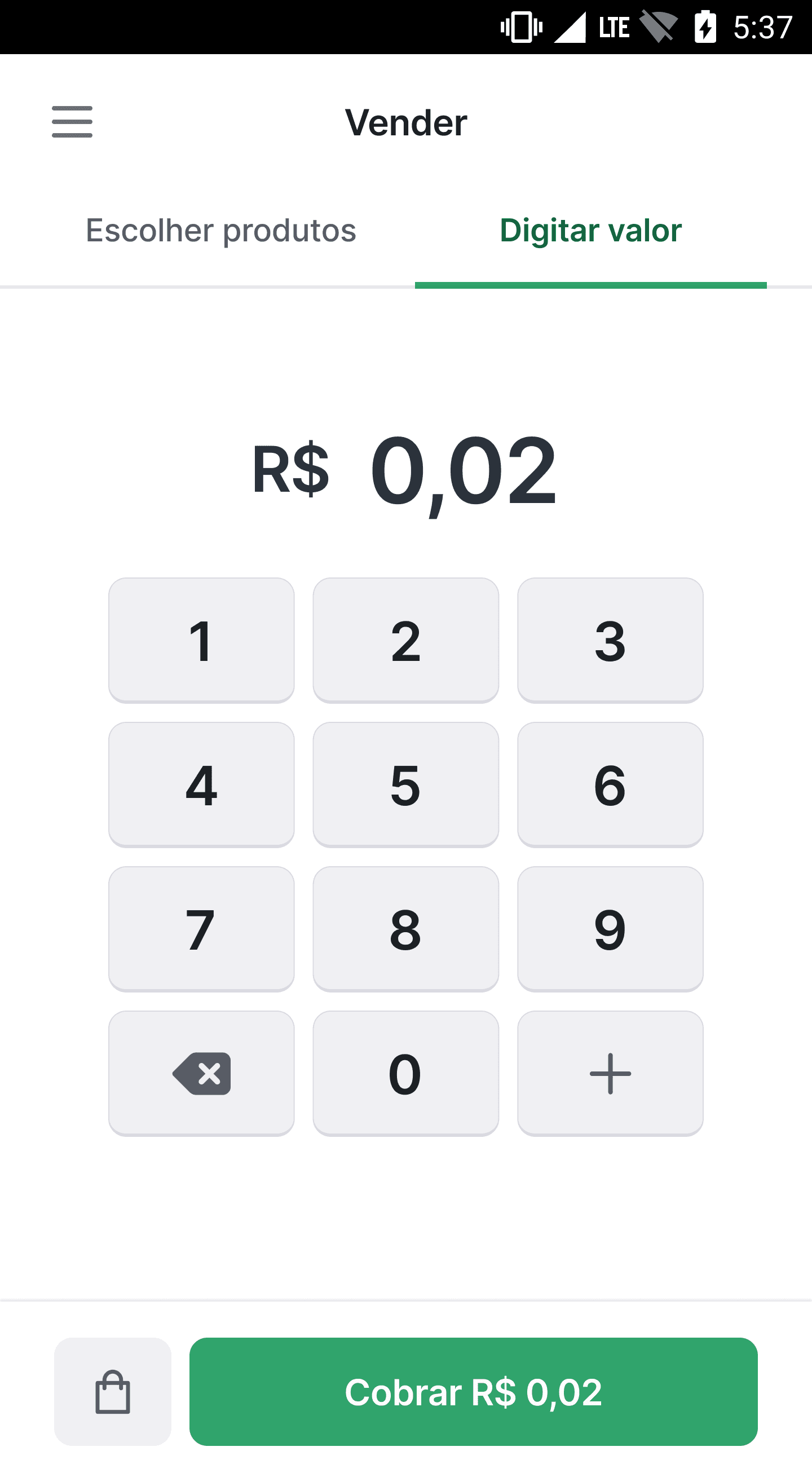
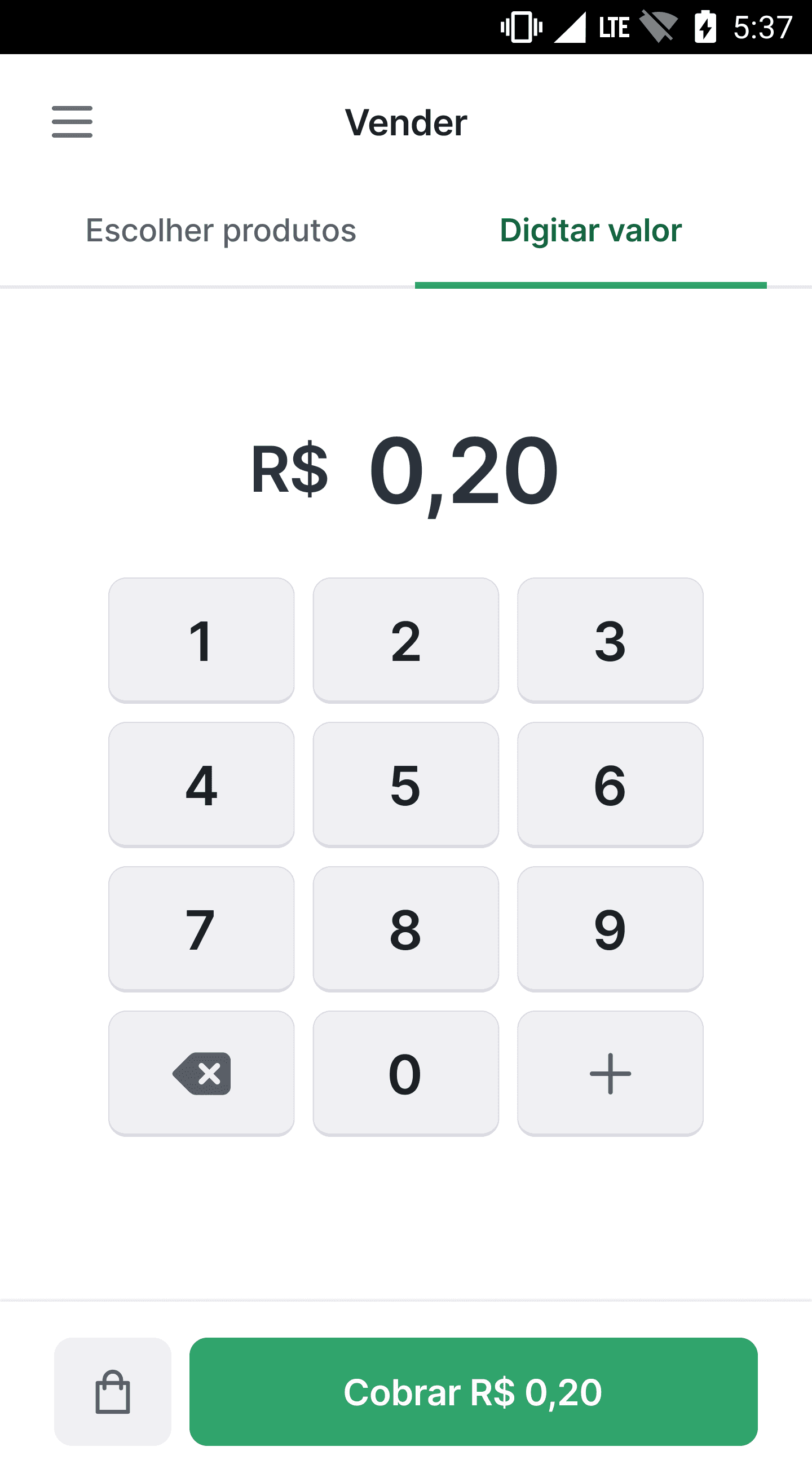
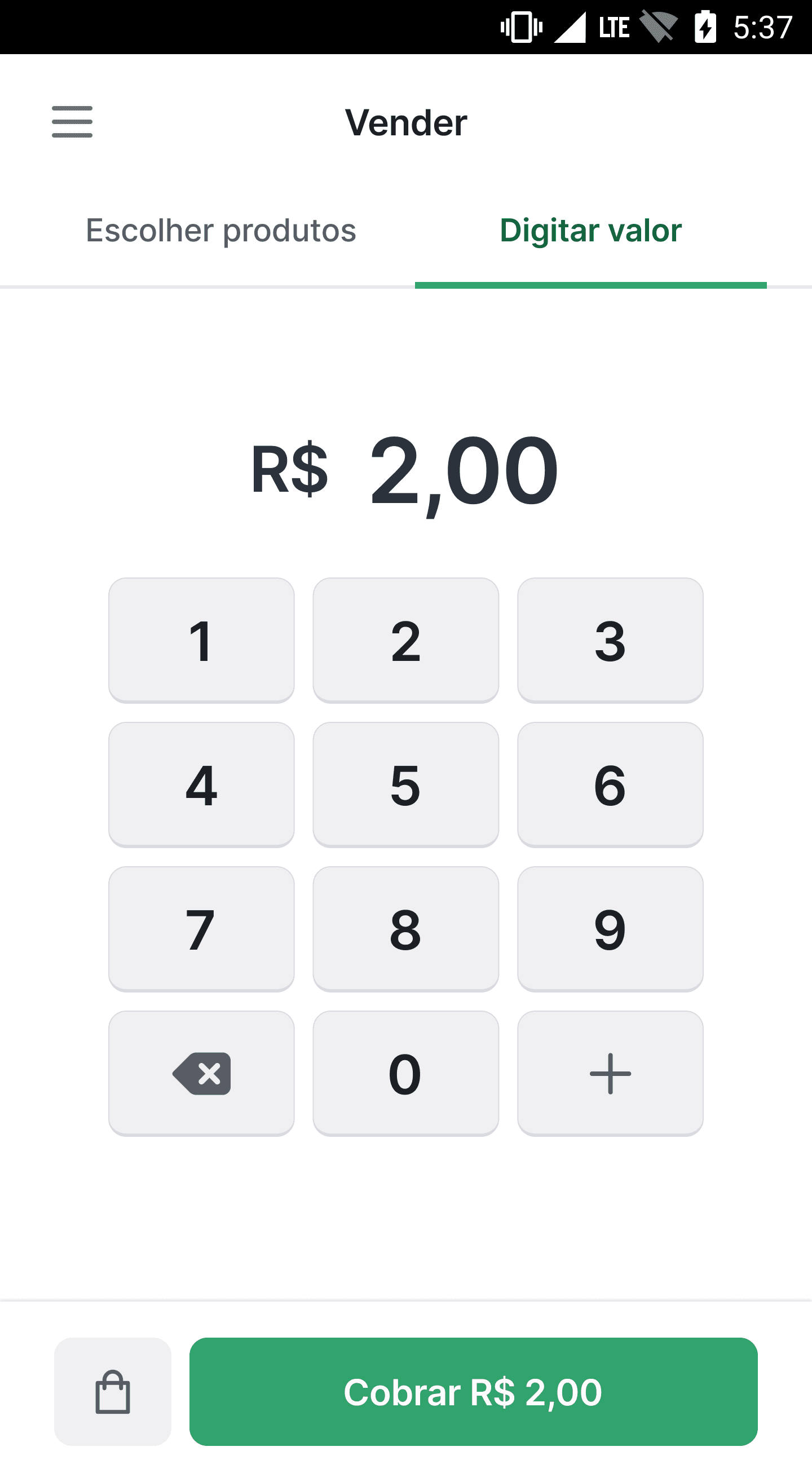
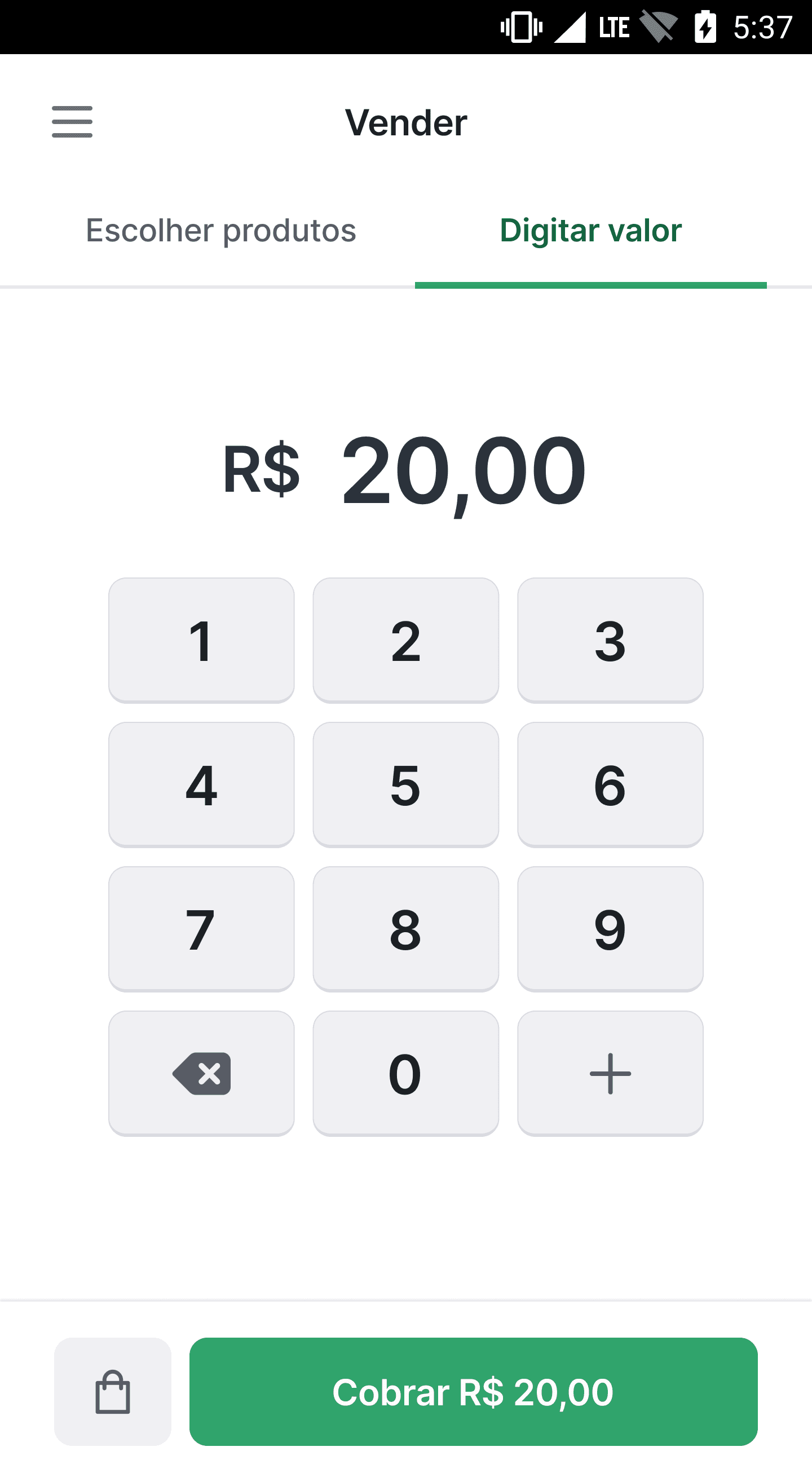
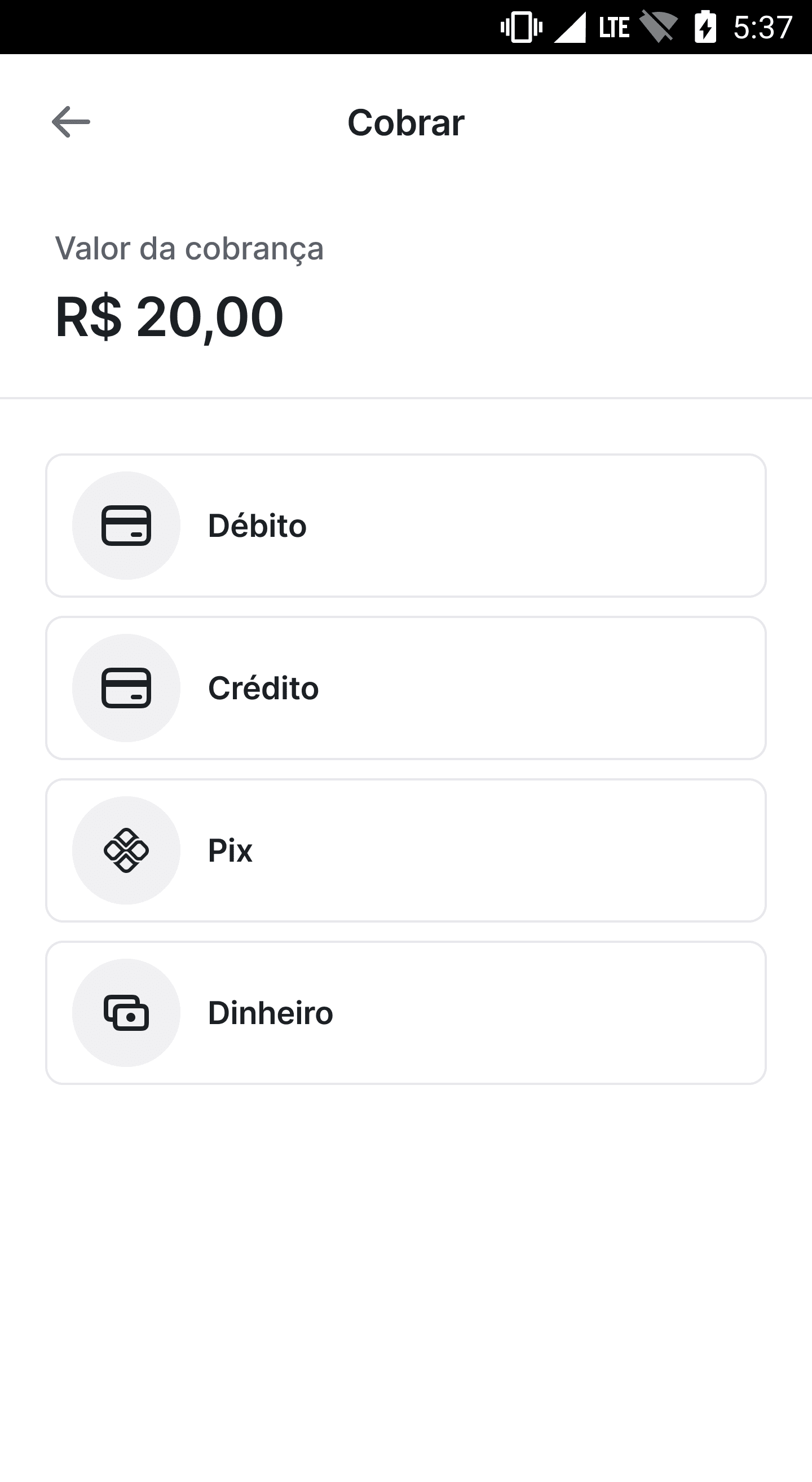
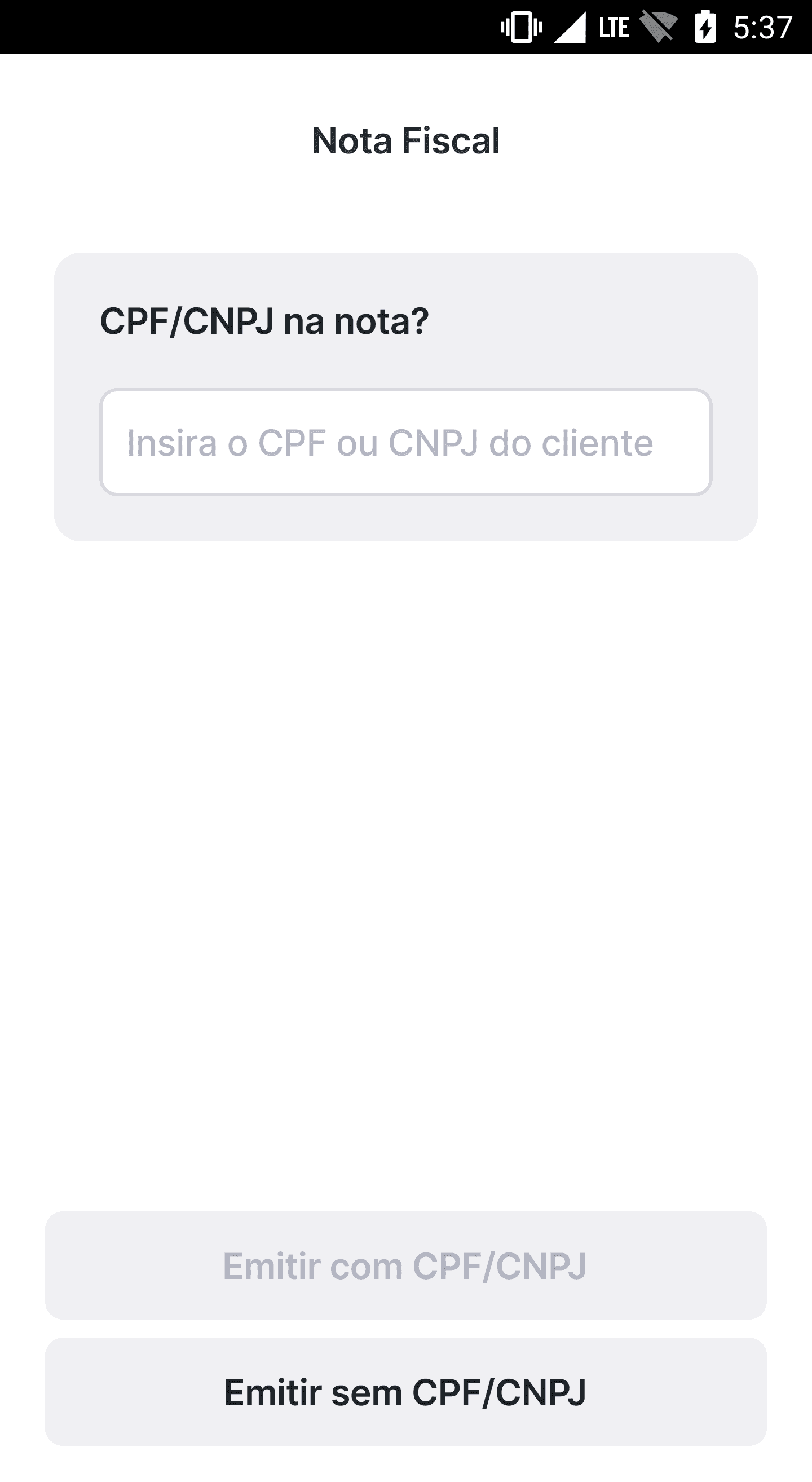
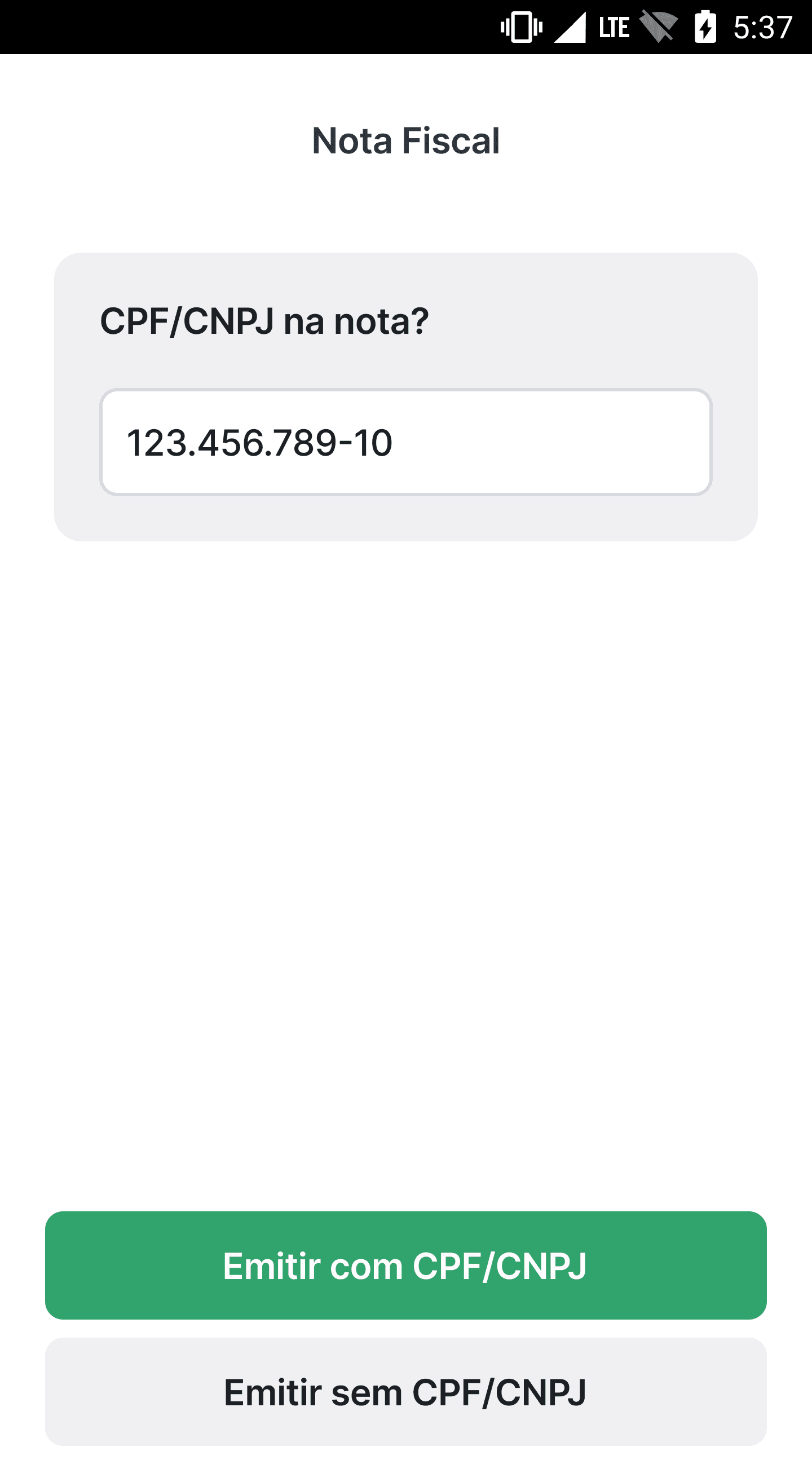
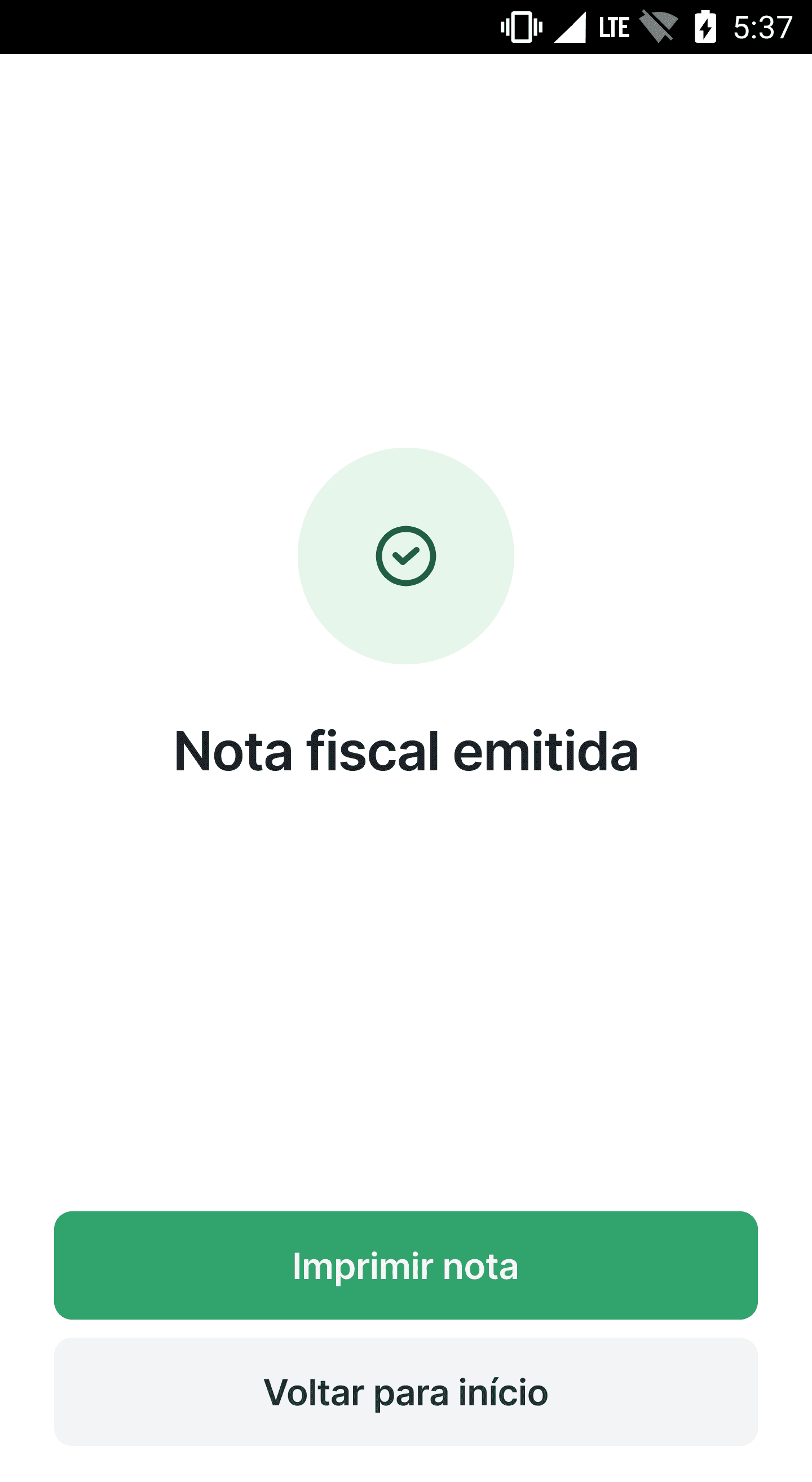
Connecting invoicing to sales created an opportunity to issue invoices automatically. Once a transaction was completed, the system could use the catalog information to generate the corresponding fiscal document with less effort from the customer.
Automation could not be the only path. Many businesses preferred to organize invoicing in specific periods, making manual issuance essential. This created concerns with Legal, so we worked through workshops and detailed scenarios to find a model that preserved customer control while meeting regulatory requirements.


AI removed the hardest part of setup
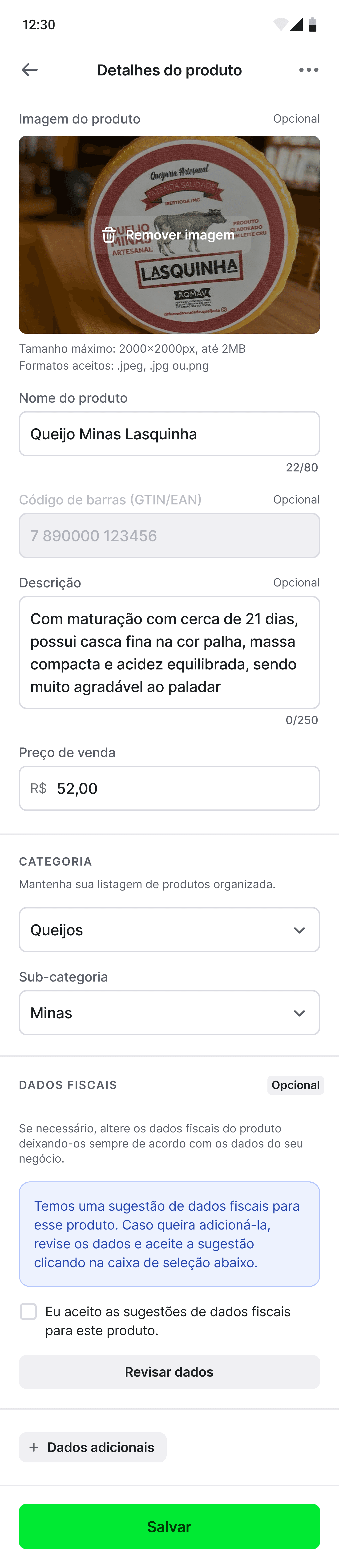
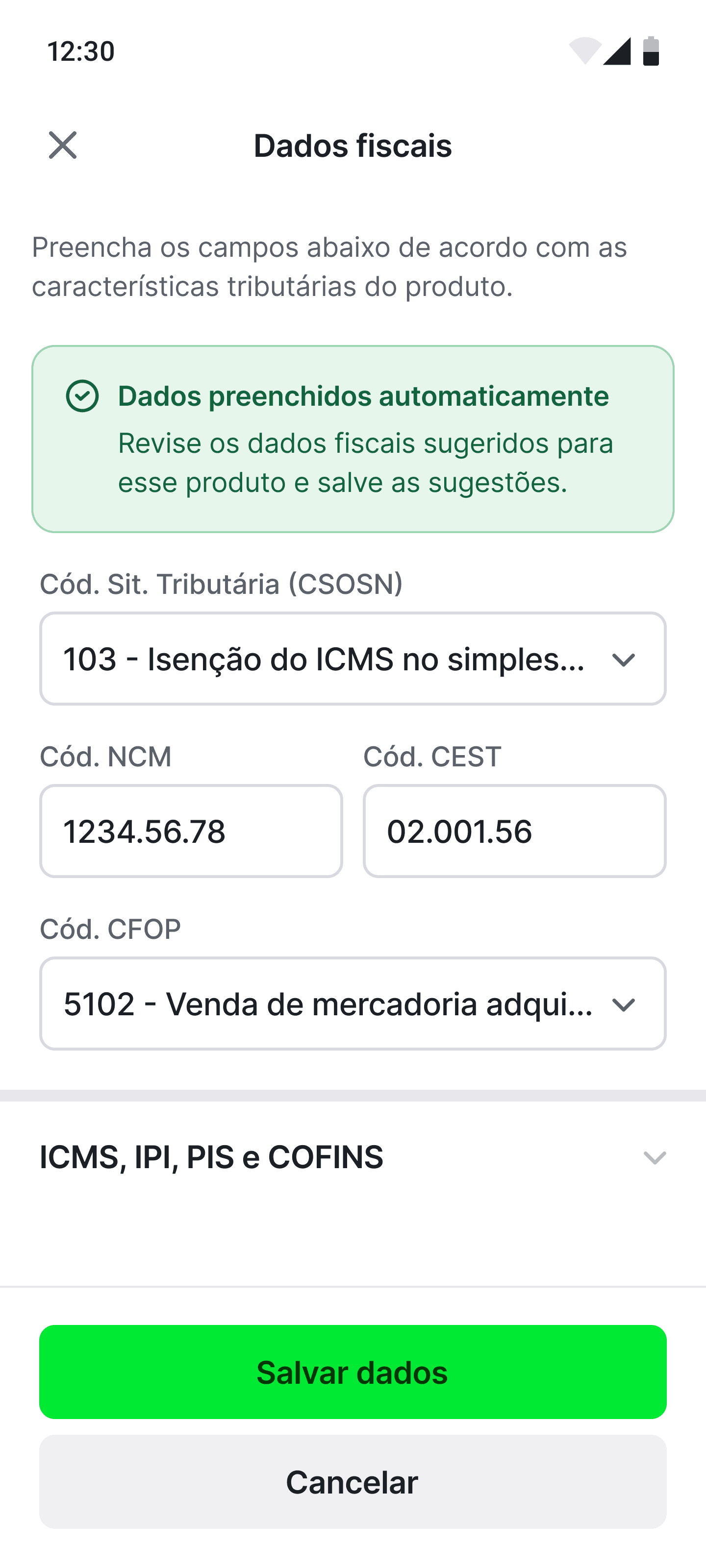
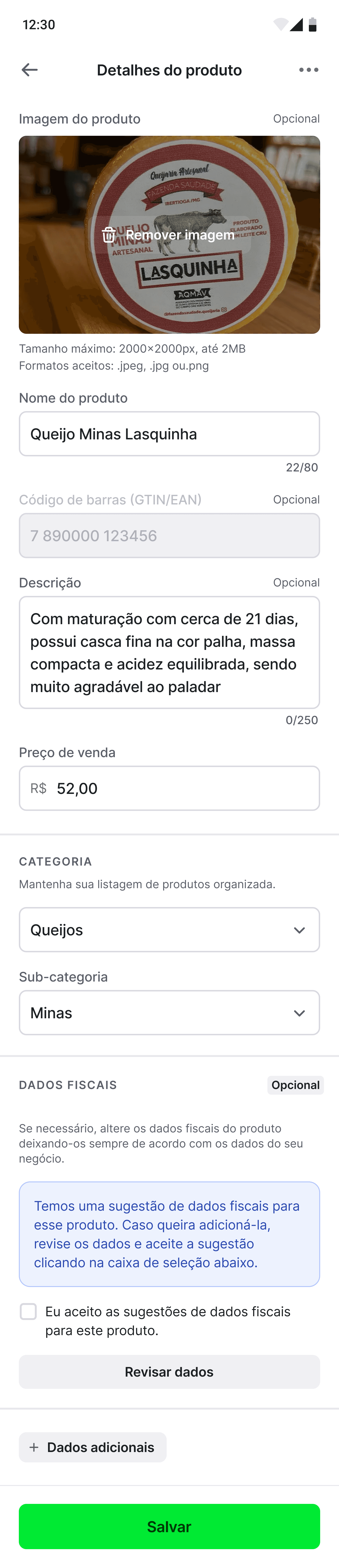
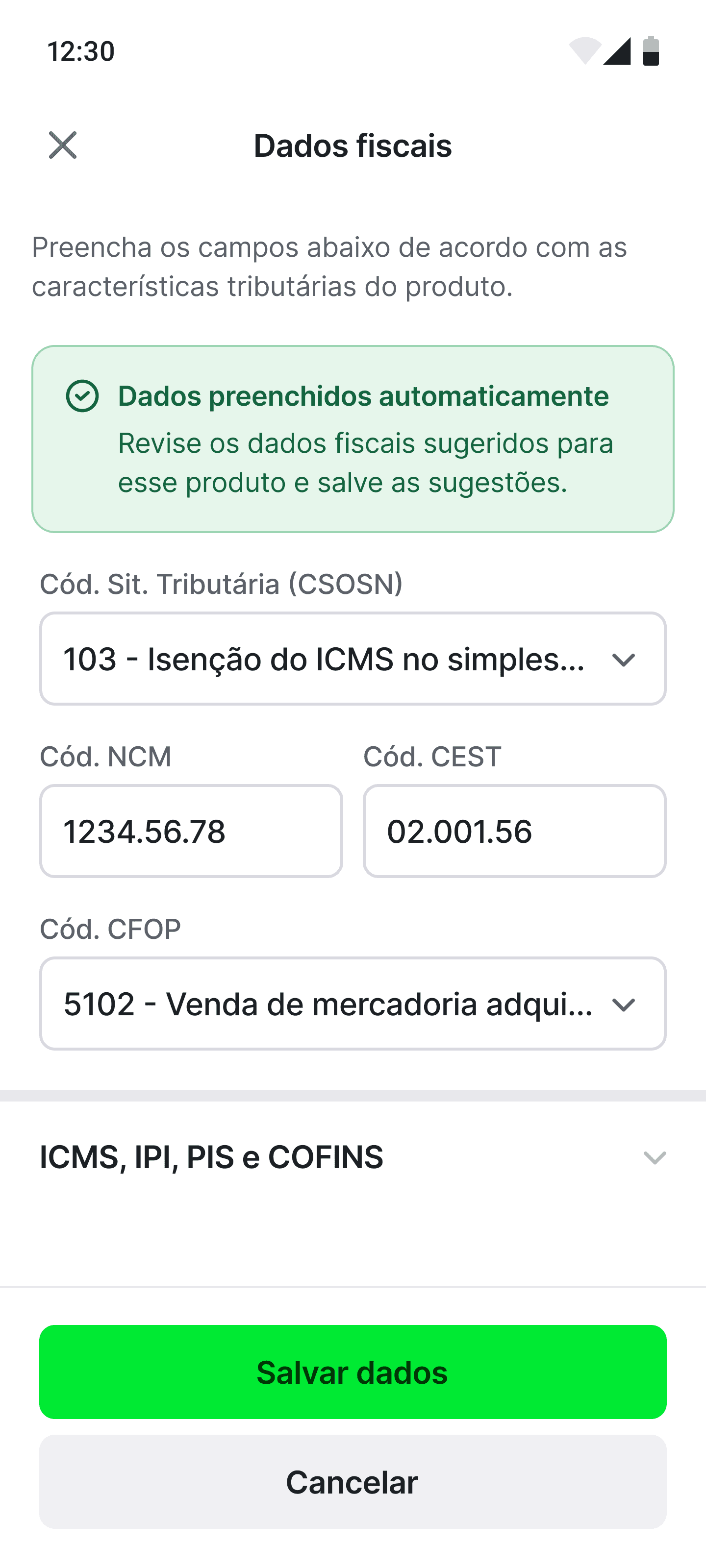
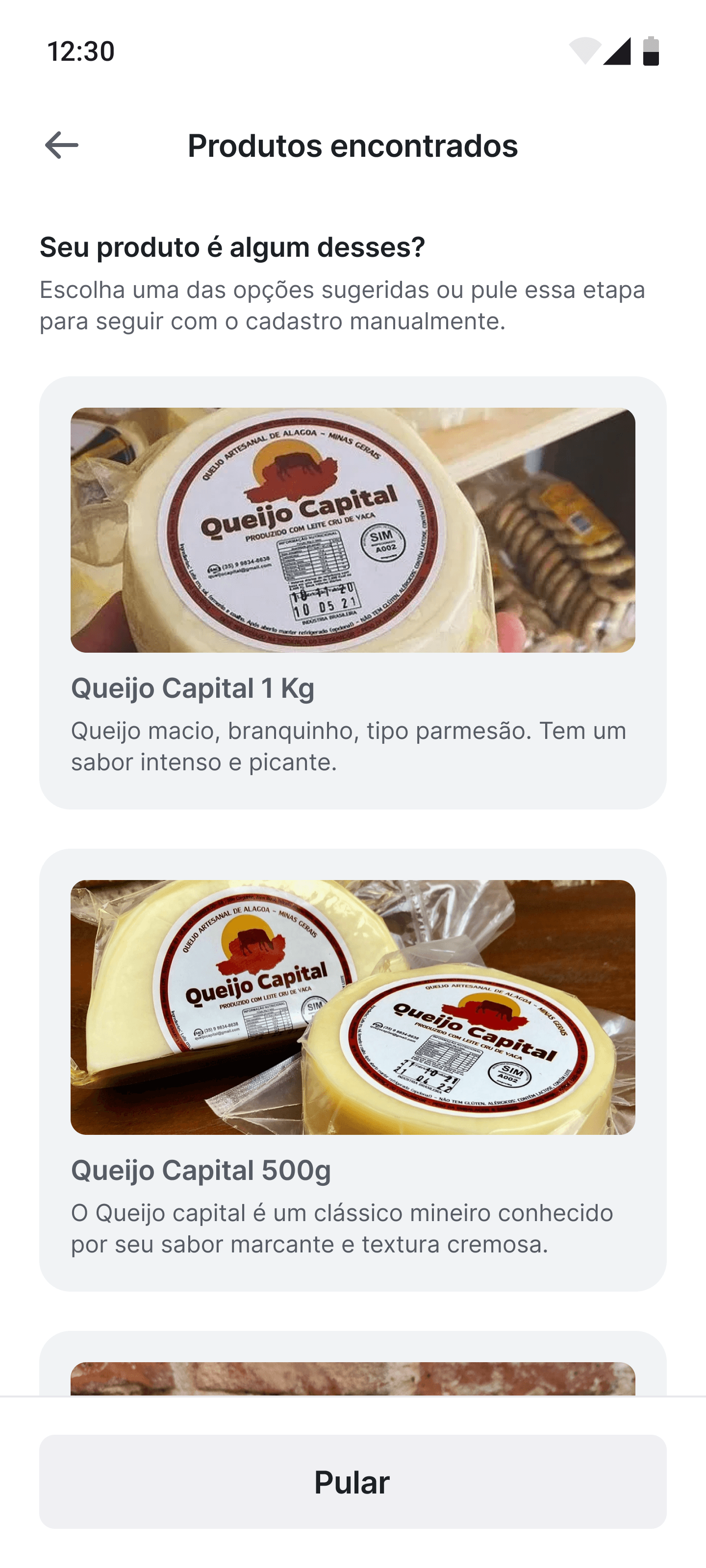
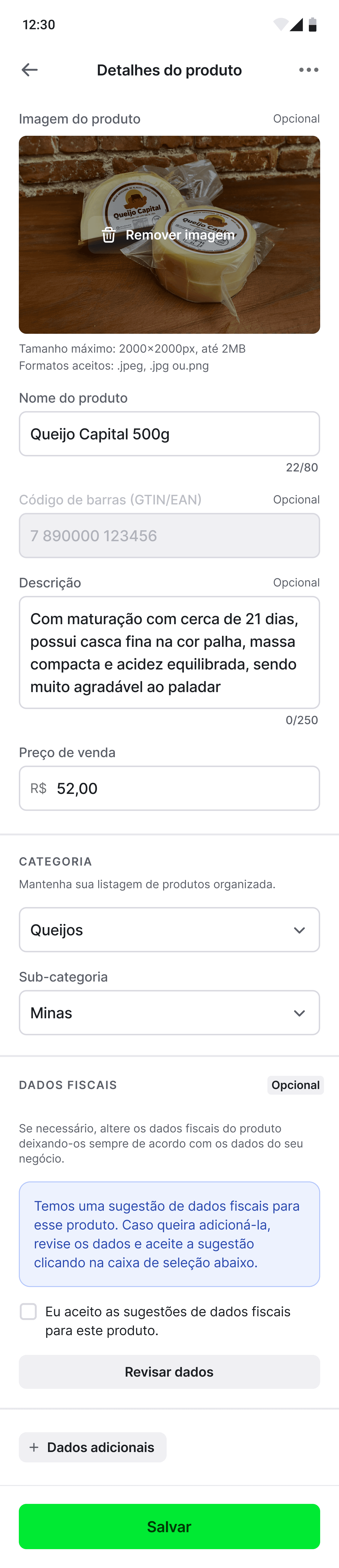
Creating a product catalog for invoicing required tax information that many customers did not understand or have easily available. Asking them to complete every field manually would make setup slow, confusing, and prone to errors.
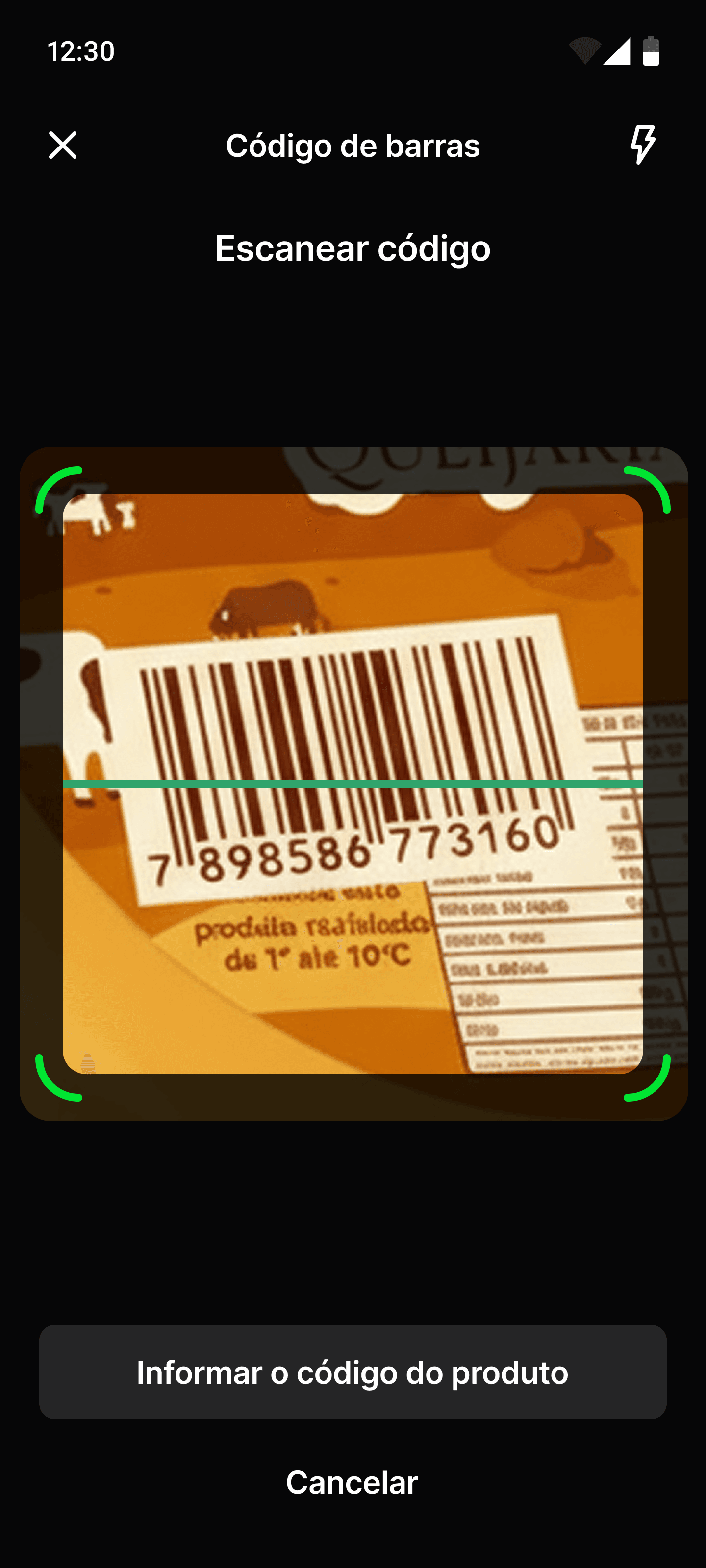
Setup also had to support two starting points: customers with existing products and customers creating them for the first time. Each journey introduced different flows and edge cases. Ignoring either path would introduce gaps that could undermine adoption and directly affect customers' sales.
I worked with Legal, Engineering, and our tax software provider to shape an AI-assisted model that suggested tax information for both existing products and products customers were creating for the first time. This reduced the knowledge and effort required to make a product ready for invoicing while keeping every suggestion available for review.



The foundation extended beyond in-person sales
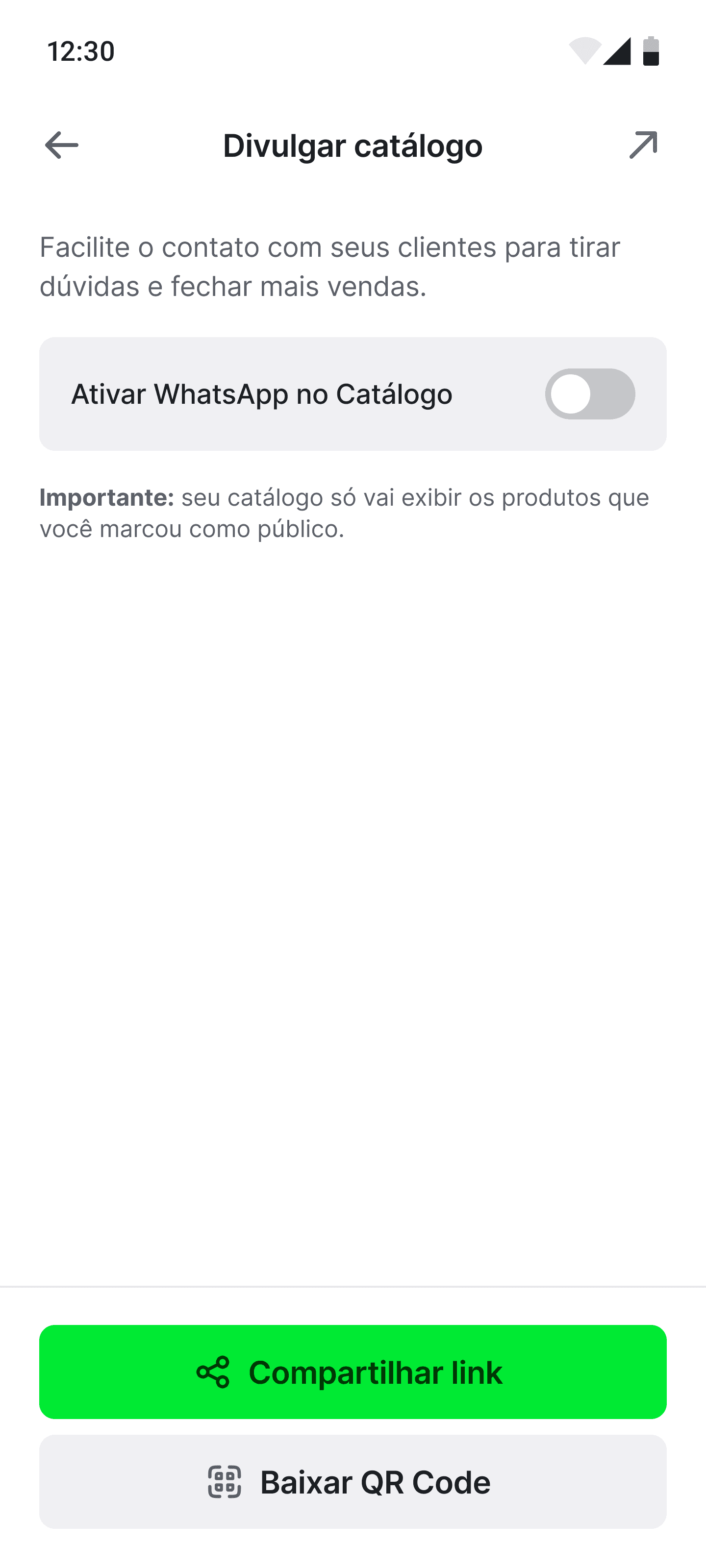
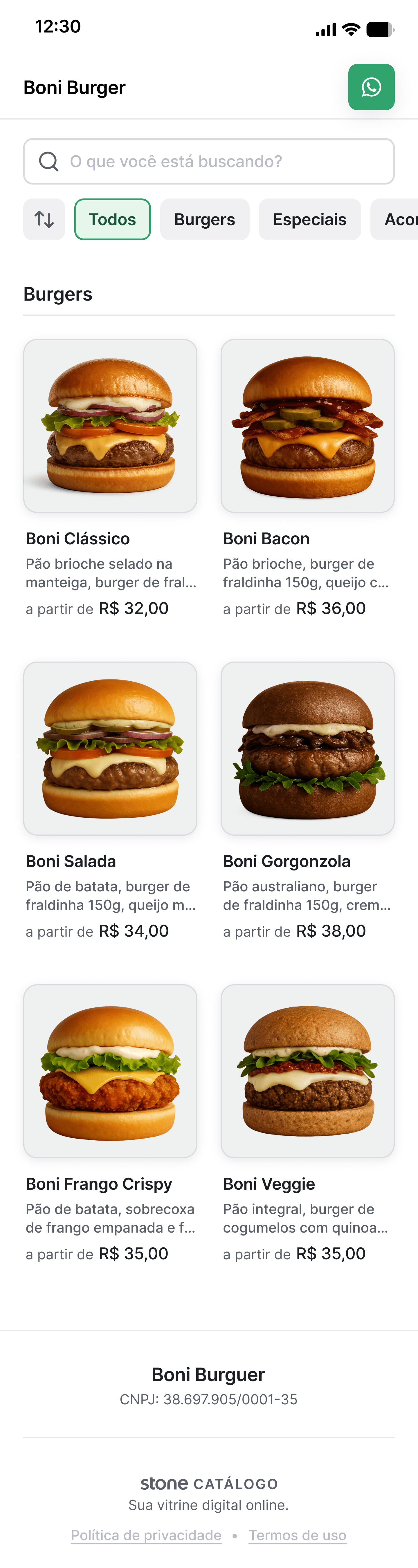
The invoicing module was designed as more than a POS feature. Our longer-term vision connected an online catalog, Stone’s checkout, and invoicing within the same customer journey. The online catalog experience shown below began as part of that vision and is now available in the app.
Connecting discovery, checkout, payment, and invoicing created opportunities to serve more of the customer’s operation, increase recurring product usage, and strengthen retention across the ecosystem.

Exploring the next POS experience
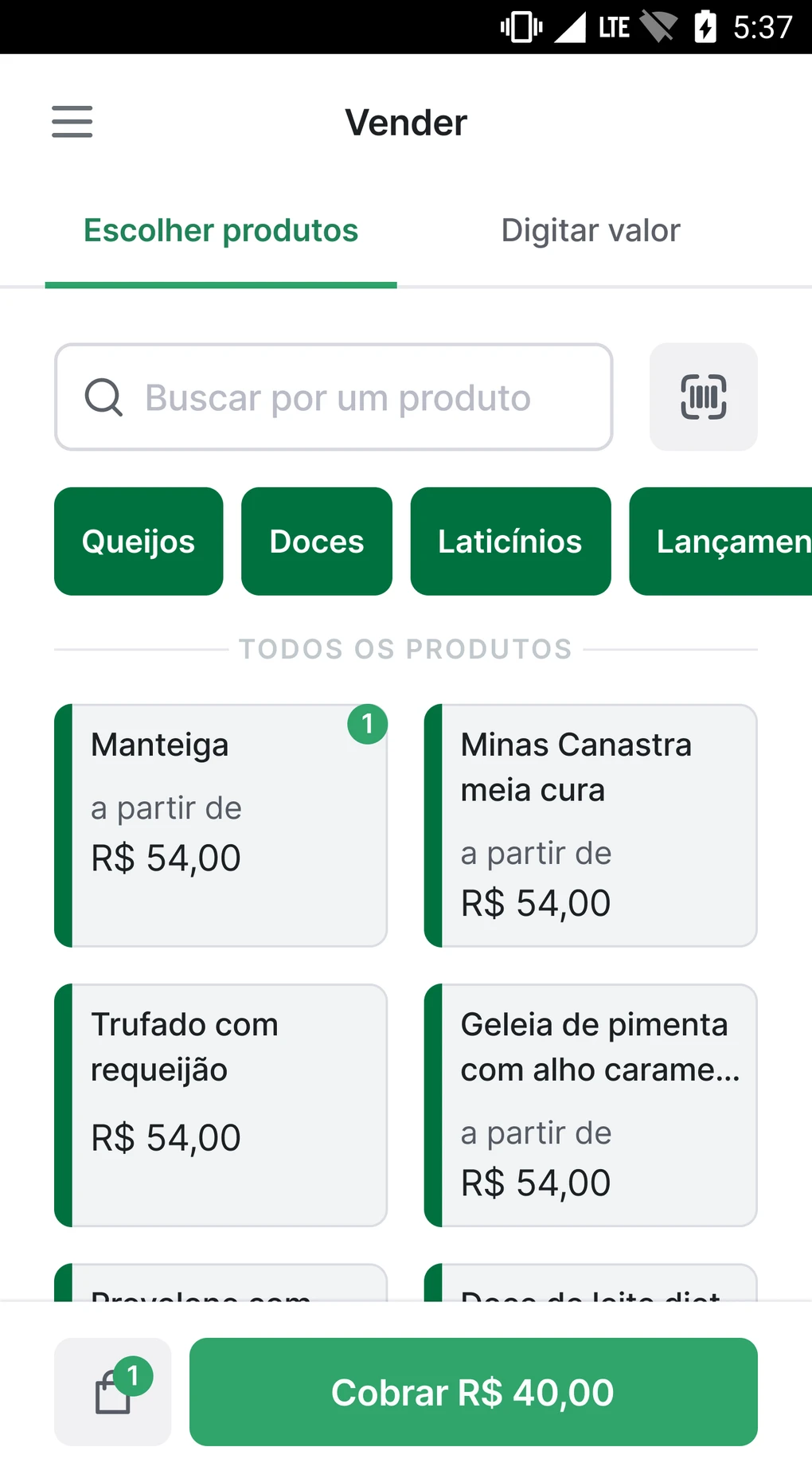
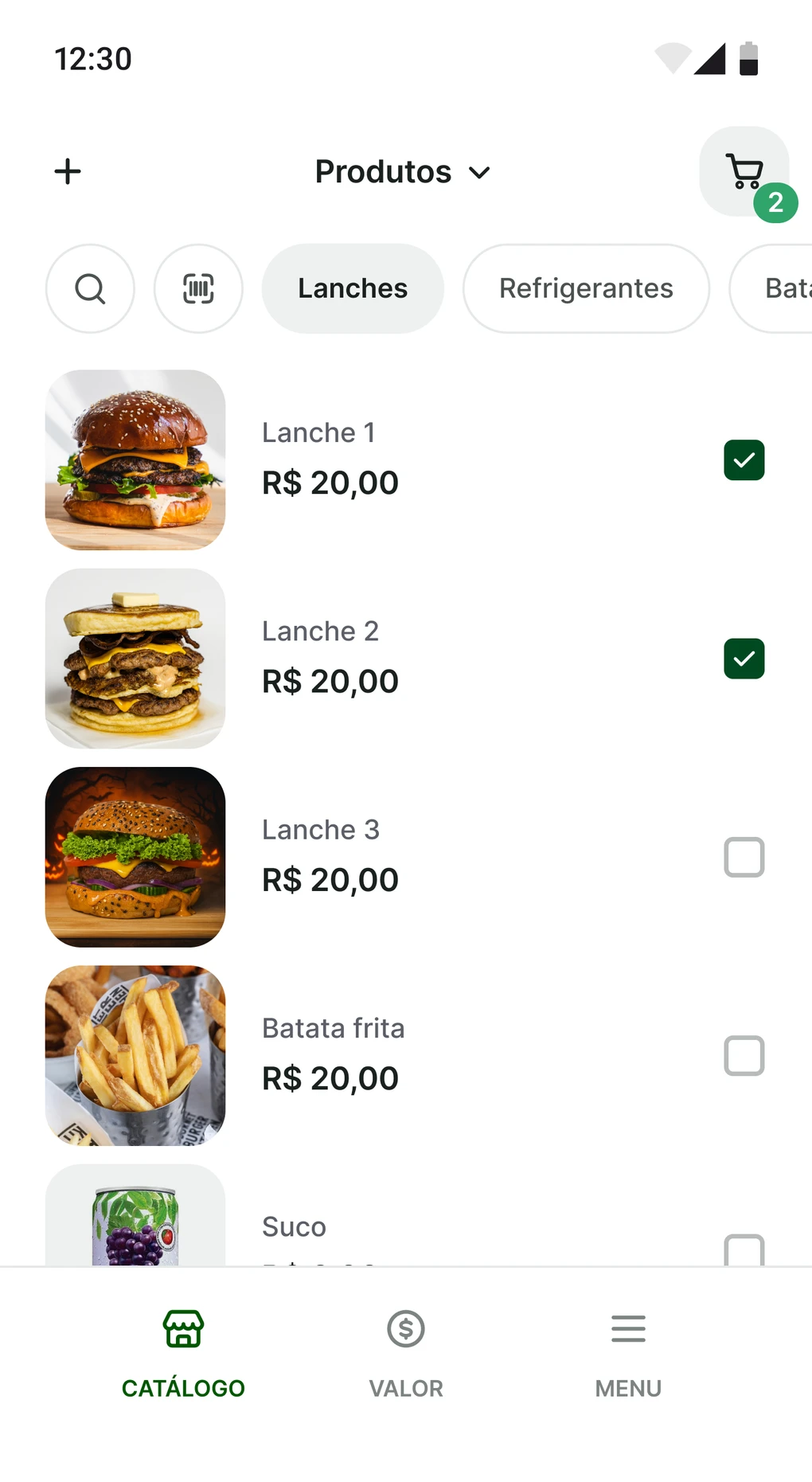
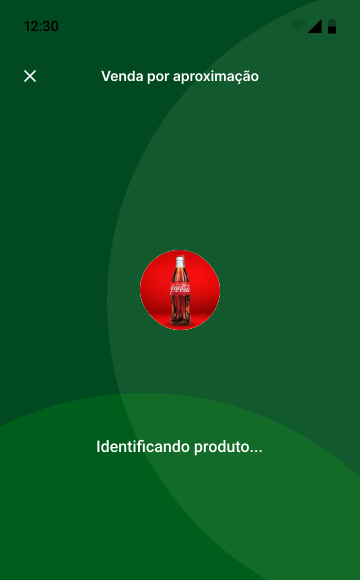
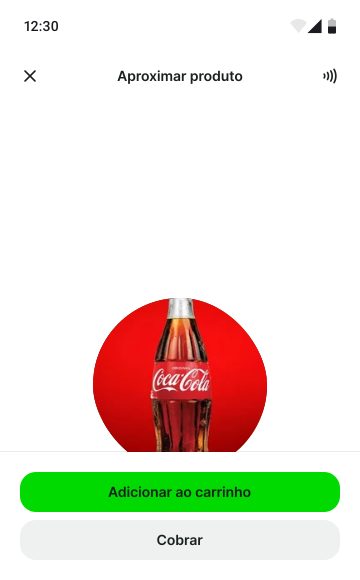
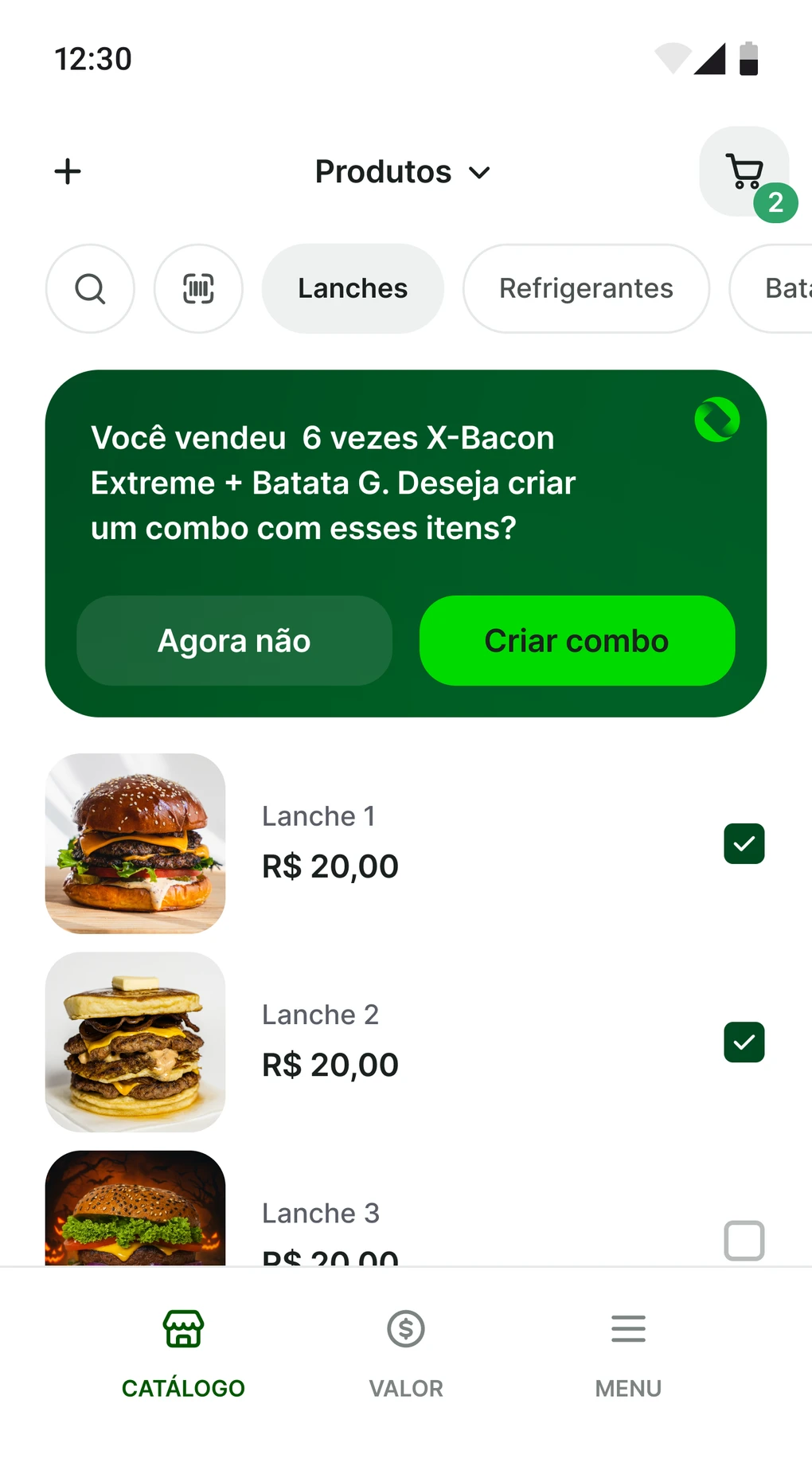
Alongside the catalog foundation, I explored how the POS experience could evolve. These design concepts introduced product imagery, faster selection, product identification, and AI suggestions based on frequently sold items.
The comparison shows the first catalog version beside the proposed direction. The identification and combo scenarios extend that design vision into everyday sales.
First version
Design vision

Early signals validated the direction
Within three months, the product generated more than R$5M in GMV, reached 54% average adoption across Stone and Ton, and recorded a 30% initial retention rate. These early signals supported the decision to connect catalog and invoicing rather than ship an isolated fiscal tool, and strengthened the case for additional resources to continue growing the product.
I worked with the team to test onboarding messages, value propositions, and calls to action through early A/B experiments. I also partnered with Marketing to translate our research into launch decisions, including product positioning, priority customer segments, and the channels most likely to reach them.
I also tracked experience metrics such as completion rate and time on task to locate friction and guide the next improvements. Together, the commercial and experience signals gave us a stronger foundation for expanding the ecosystem into future online sales.
- GMV within three months
- R$5M+
- Adoption across both brands
- 54%
- Initial retention rate
- 30%
Strategy was about sequencing
This project reinforced that a customer need can be real without being immediate. The most important decision was not choosing one segment and abandoning another, but understanding when each audience would need the product and building the right foundation for both.
By connecting immediate customer needs with regulatory change and future commerce opportunities, we created a product that could deliver value in the present without limiting what the ecosystem could become.